
In the very first article I ever wrote for this site, I talked about a program that allowed the user to create custom hotkeys for use across their system. This "if you ain’t cheating, then you ain’t trying” mentality permeates a lot of sysadmins’ thought processes. The age old question of how we can do more with less or optimize our time/efforts etc. is what drives me to explore this concept again. That article was specific to Windows, however, this will be localized to the GNOME desktop.
The GNOME desktop comes prepped and ready with a multitude of shortcuts that can be put to use if you take the time to learn them. That is what we are going to focus on here. What are the shortcuts to know and what will they look like when used? Let’s dig in.
A quick note: if you are not a native Linux user (like myself) you will probably be a bit confused by the Super key. This is the Windows key for Windows users and the command key for MacOS. When you see the alt key referenced, this is the option key for MacOS.
Keyboard shortcuts
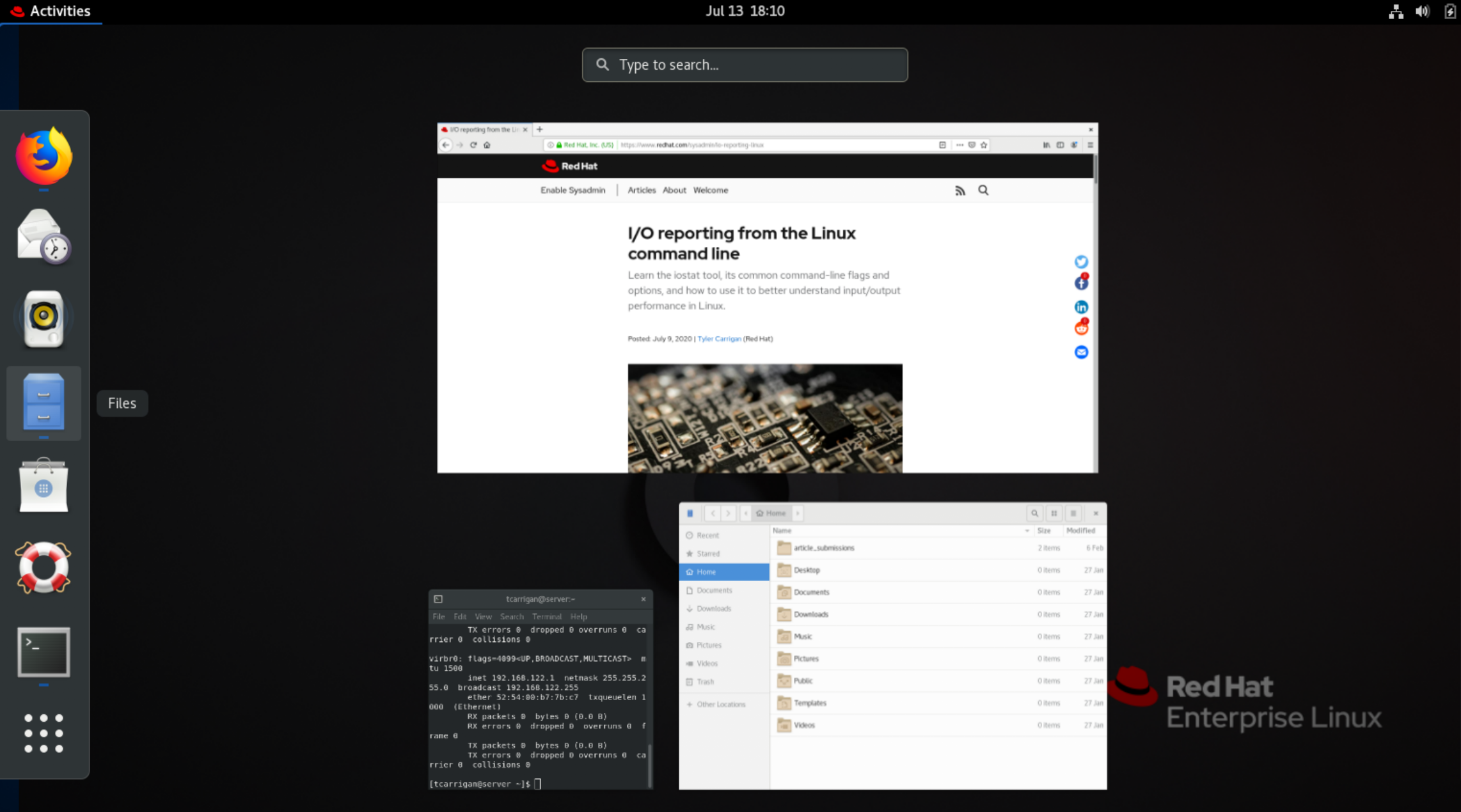
Alt + F1 —This shortcut allows you to switch between the standard desktop and the Activities overview. It will give you a deconstructed desktop so you can see each open window and application as well as access the search bar.
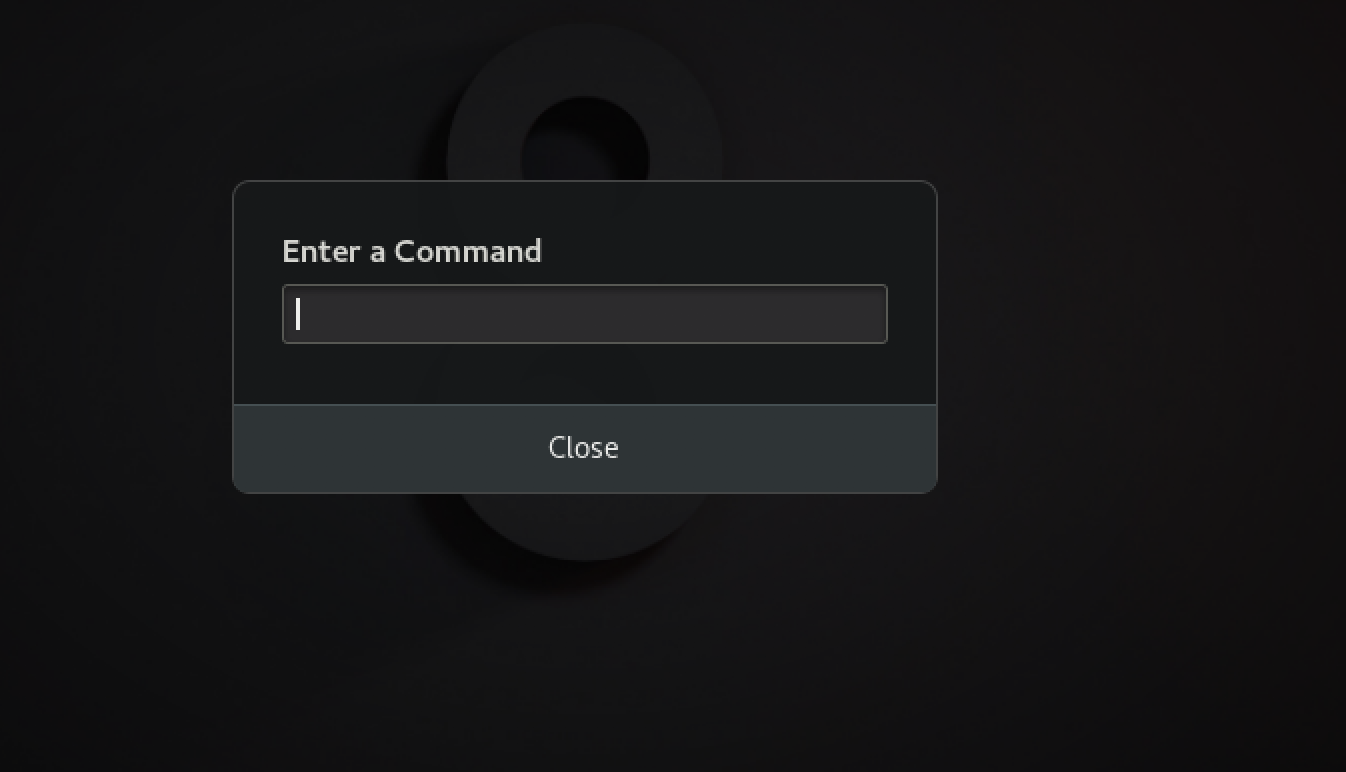
Alt + F2 —This shortcut is actually really nice. Many distros dont have an applications dock pinned to the desktop. This means that you have to manually go and click somewhere to access the search bar or applications. With this quick shortcut, you can get right to the CLI, which is almost always my first stop.
Alt + Tab —If you are a Windows user, you will be familiar with this one, and it carries over into GNOME. If you want to switch between open windows quickly, you can do so with this command.
Alt + ` (located right above Tab)—This shortcut allows the user to switch between various windows inside of an application, ie. if you have multiple windows (not tabs) of Firefox or Chrome.
Alt + Esc —Allows the user to switch between active windows quickly. Similar to Alt + Tab but preferable if you have a small number of windows open.
Monitor shortcuts
I wish I had known these three years ago. These quick shortcuts will allow you to quickly rearrange your monitors/windows to optimize your workflow.
Shft + Super + Left arrow —This shortcut allows the user to move the active window one monitor screen to the left.
Shft + Super + Right arrow —This shortcut, like the one above, allows you to move the active window over one monitor to the right.
Text editor shortcuts
These are pretty standard across operating systems, but they are huge quality of life improvements that you don’t miss until they are gone.
Ctrl + C —Copies all selected text to the clipboard.
Ctrl + V —Pastes copied text from the clipboard to the cursor point.
Ctrl + A —Selects all text within a given window or document.
Ctrl + X —Cuts all selected text, which is then copied to the clipboard.
Ctrl + Z —This shortcut still acts as an “undo last action” keystroke.
Closing
While many of these are pretty basic across various operating systems, there are definately some Linux specifc shortcuts that helped me during my time as a support engineer. I am confident that they will help you in your basic, everyday Linux use as well as your system administration duties. Be sure to add a few of these to your workflow and I am sure that you will become a more efficient user.
[ Want even more GNOME shortcuts? Download this free GNOME 3 cheat sheet. ]
저자 소개
Tyler is the Sr. Community Manager at Enable Sysadmin, a submarine veteran, and an all-round tech enthusiast! He was first introduced to Red Hat in 2012 by way of a Red Hat Enterprise Linux-based combat system inside the USS Georgia Missile Control Center. Now that he has surfaced, he lives with his wife and son near Raleigh, where he worked as a data storage engineer before finding his way to the Red Hat team. He has written numerous technical documents, from military procedures to knowledgebase articles and even some training curricula. In his free time, he blends a passion for hiking, climbing, and bushcraft with video games and computer building. He is loves to read and enjoy a scotch or bourbon. Find him on Twitter or on LinkedIn.
유사한 검색 결과
Red Hat Enterprise Linux Long-Life Add-On: 지원 종료 걱정 없는 RHEL 소개
인프라를 Red Hat Lightspeed에 어떻게 연결해야 할까요?
Infrastructure At The Edge | Compiler
Operating System Management | Compiler
채널별 검색

오토메이션
기술, 팀, 인프라를 위한 IT 자동화 최신 동향

인공지능
고객이 어디서나 AI 워크로드를 실행할 수 있도록 지원하는 플랫폼 업데이트

오픈 하이브리드 클라우드
하이브리드 클라우드로 더욱 유연한 미래를 구축하는 방법을 알아보세요

보안
환경과 기술 전반에 걸쳐 리스크를 감소하는 방법에 대한 최신 정보

엣지 컴퓨팅
엣지에서의 운영을 단순화하는 플랫폼 업데이트

인프라
세계적으로 인정받은 기업용 Linux 플랫폼에 대한 최신 정보

애플리케이션
복잡한 애플리케이션에 대한 솔루션 더 보기

가상화
온프레미스와 클라우드 환경에서 워크로드를 유연하게 운영하기 위한 엔터프라이즈 가상화의 미래
