
"내 컴퓨터에서는 잘 작동하는데"라는 문제는 분산 개발 워크플로가 등장한 이래 IT 부서의 골칫거리였습니다. 조직이 클라우드 네이티브 방식으로 전환함에 따라 중요한 격차가 발생했습니다. 개발자가 로컬 워크스테이션에서 사용하는 툴은 프로덕션 환경의 엔터프라이즈 보안 중심의 강화된 쿠버네티스 환경과 일치하지 않는 경우가 많습니다. 이러한 불일치로 인해 종속성 오류, 보안 취약성 위험 증가 및 최종 단계 배포에서 예기치 않은 문제 발생 빈도가 높아져 생산성이 저하되고 기술 부채가 늘어날 수 있습니다.
이러한 문제에 대한 대응으로, Red Hat build of Podman Desktop의 일반 공급(GA)을 발표하게 되어 기쁩니다. 이번 릴리스는 최근 3백만 회 이상 다운로드를 기록한 Podman Desktop 커뮤니티의 엄청난 추진력을 활용하고자 하는 고객의 요청에 대한 직접적인 결과입니다. 조직은 널리 사용되는 사용자 친화적인 경험을 엔터프라이즈 환경에 도입하고자 합니다. 이를 위해 로컬 개발에서 Red Hat OpenShift까지 프로덕션급 보안 요구 사항을 충족하며 완벽하게 지원되는 통합 경로를 구축하고 있습니다.
엔터프라이즈에 중요한 이유
더욱 광범위한 개발자 경험을 이야기할 때, 지원 격차 문제를 반드시 해결해야 합니다. 지금까지 많은 팀이 충분한 서비스 수준 계약(SLA)이 없는 지원되지 않는 오픈소스 툴이나 대안에 의존해야 했습니다. Red Hat build of Podman Desktop은 벤더 지원 솔루션으로, 공식 Red Hat 지원을 통해 보안 수정 사항, 제품 엔지니어 및 컨테이너 전문가에 대한 액세스를 제공합니다. IT 의사 결정권자와 플랫폼 엔지니어는 Red Hat build of Podman Desktop을 통해 더욱 예측 가능한 라이프사이클 관리, 보안 패치 적용은 물론, Day 1부터 수천 대의 워크스테이션에서 컨테이너 툴을 관리할 수 있습니다.

데스크탑에서 프로덕션 환경으로의 연결
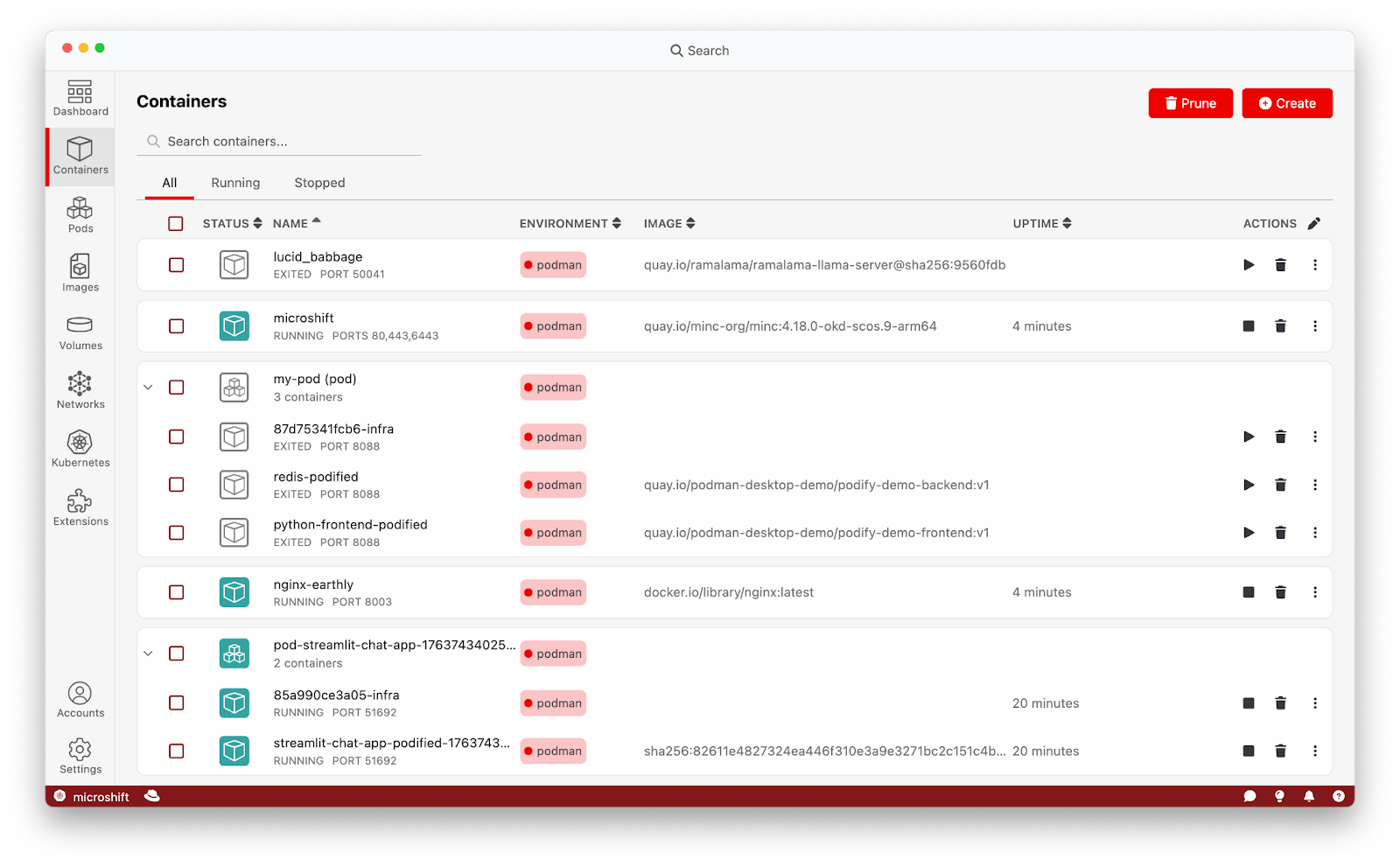
많은 개발자에게 데스크탑은 혁신이 시작되는 곳이지만, 동시에 보안 위험도 시작될 수 있습니다. 기존 데스크탑 컨테이너 툴은 프로덕션 환경과 유사하게 설계되지 않았고 엔터프라이즈급 지원도 제공하지 않습니다. Red Hat build of Podman Desktop은 Podman Desktop 프로젝트의 다운스트림 엔터프라이즈 지원 배포판을 제공하여 이러한 워크플로우의 경제성을 개선합니다. 포함 내용:
- ‘보안 설계’ 아키텍처: Red Hat Enterprise Linux(RHEL)와 동일한 신뢰할 수 있는 기술을 기반으로 구축되었으며, 프로덕션 환경에서 안전하지 않은 동작에 실수로 의존하는 것을 방지합니다.
- 더욱 일관된 환경: 프로덕션 클러스터와 더 유사한 로컬 환경을 사용함으로써, 노트북에서 테스트한 워크로드가 하이브리드 클라우드에 배포될 때도 동일하게 작동하는지 확인할 수 있습니다.
- 긴밀하게 통합된 워크플로우: 네이티브 쿠버네티스 및 Pod 지원을 통해 개발자는 로컬에서 빌드하고 OpenShift에 안전하게 배포하는 동시에 예기치 않은 위험을 줄일 수 있습니다.
현재 툴에서 원활한 마이그레이션
현재 많은 개발자가 다른 툴을 표준으로 사용하고 있습니다. 이러한 상황을 고려하여 Red Hat은 별도의 운영 중단 없이 즉시 대체 가능한 솔루션을 제공하기 위해 노력해왔습니다. Red Hat build of Podman Desktop은 기존 이미지, Compose 파일 및 볼륨을 포함하여 업계 표준 컨테이너 워크플로우를 수정 없이 원활하게 지원합니다.
이번 릴리스는 단순한 툴을 넘어, 개발자가 인프라 관리가 아닌 코드 작성에 집중할 수 있도록 지원합니다. Red Hat은 가볍고, 고성능이며, 안전한 로컬 환경을 제공하여 개발 환경과 프로덕션 클라우드 간의 간극을 해소하도록 돕고 있습니다. Red Hat build of Podman Desktop에 대해 자세히 알아보십시오.
저자 소개
James Labocki is senior director of Product Management at Red Hat.
유사한 검색 결과
기업 속도의 새로운 가치 기준
Red Hat Enterprise Linux CoreOS 10이 Red Hat OpenShift에 도입됩니다
At Your Serverless | Command Line Heroes
Where Coders Code | Command Line Heroes
채널별 검색

오토메이션
기술, 팀, 인프라를 위한 IT 자동화 최신 동향

인공지능
고객이 어디서나 AI 워크로드를 실행할 수 있도록 지원하는 플랫폼 업데이트

오픈 하이브리드 클라우드
하이브리드 클라우드로 더욱 유연한 미래를 구축하는 방법을 알아보세요

보안
환경과 기술 전반에 걸쳐 리스크를 감소하는 방법에 대한 최신 정보

엣지 컴퓨팅
엣지에서의 운영을 단순화하는 플랫폼 업데이트

인프라
세계적으로 인정받은 기업용 Linux 플랫폼에 대한 최신 정보

애플리케이션
복잡한 애플리케이션에 대한 솔루션 더 보기

가상화
온프레미스와 클라우드 환경에서 워크로드를 유연하게 운영하기 위한 엔터프라이즈 가상화의 미래
