
Network automation can help improve the speed of deploying changes, reduce error rates, and free network engineers from running mundane tasks. So, why aren't network automation practices developing as fast as other IT automation initiatives?
[ Learn best practices for implementing automation in The automation architect's handbook. ]
Networks are at the center of everything we do online. From a network-automation perspective, this is a blessing and a curse. The role of networks is critical, and there seems to be a consensus that they need to move at the speed of the cloud. But you don't stop to think about networks unless they are having issues delivering packets.
For most people, it is hard to understand the value of network-automation projects, especially if you look at them like any other IT automation project. But a network is not a collection of servers; it is a large distributed system that can have tens of thousands of devices spread around the globe. These devices, even if they're from the same vendor, run multiple versions of different proprietary operating systems (that in most cases are not Linux based) and are logically interconnected with each other to automate the propagation of route or link information, for example. A typo in one configuration line can cause an internet meltdown (there is an event like this almost once a year).
Network automation has emerged as a set of processes to automate common manual workflows performed by a network operator, such as provisioning services, performing software upgrades, or telemetry processing. But this is a transition that can't happen overnight. It requires planning for a phased approach with different milestones that can quantify the value of network automation.
Look for low-risk, high-reward opportunities
It's great to strive for an automation-first culture and find innovative ways to use technology as a competitive advantage, but I recommend first targeting low-risk, high-reward tasks. Try to create reusable building blocks to operate more efficiently.
One example is automating the collection and parsing of operational data from the network, such as routing protocol sessions state, VPN service status, or other relevant metrics to produce actionable or consumable outputs. Gathering this information is a read-only activity, so the risk is low. The reward is high because this task is a time-consuming, repetitive process. Also, you can use this data for various purposes, such as creating reports, running audits, filling in trouble tickets, performing pre-and post-checks during maintenance windows, and so on.
You don't need to wait until you get everything right to start. Improve on your automation solution iteratively. Small initial steps can make a big difference in your network. For example, for the data collection example above, you don't need the full list of key performance indicators (KPIs) on day 1; your users will let you know what you're missing over time.
[ Looking for more on system automation? Get started with The Automated Enterprise, a complimentary book from Red Hat. ]
Define success
Network automation is a journey, but you still need to delineate goals and meet project deadlines along the way. You must understand how your organization defines value to set these goals.
For example, network automation can positively impact cost management by running tasks more efficiently.
[ Learn more about automating server and configuration management by downloading Ansible for DevOps. ]
Compiling audit reports or managing overtime does not typically reduce network costs. The real savings comes from having to troubleshoot fewer human errors, and automation helps achieve this. Resource optimization results in cost savings.
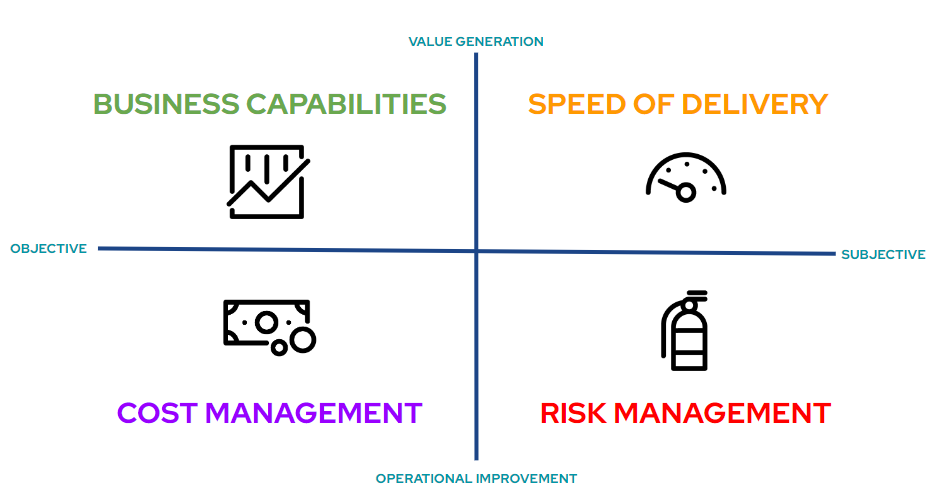
Another thing organizations value is reducing the probability of the unpredictable (risk management) to run more safely. Network automation can help by running test cases to validate any changes before performing them, enforcing security policies consistently with every operation, or automating rollback procedures if required. This way, you can compare the number of incidents or total downtime before and after you deploy a strategy.
Get buy-in to automate more
Understanding the value helps you get the buy-in to launch network automation projects and sets quantifiable metrics to measure its success.
Begin with a compelling pitch for something that warrants a change and a measure of success. For example, "It's taking us six weeks to deliver an offer, and now we're going to be able to do it in six minutes."
[ Learn more about how to make the case for automation architecture: 5 ways to win investment. ]
After achieving a few wins, you can aim for a zero-touch approach to network automation. Accomplish this by scaling individual use cases into larger-scale network automation projects that deliver a desired business outcome. Next, shift the focus to orchestration, workflows, engineering for scale, and rolling out consistent automation practices across the organization.
Continuing the previous example of automatic data collection and parsing, you can now stitch that information together with a configuration process to configure and validate network services.
Service providers might value strategic improvements (speed of delivery) to move more quickly. Network automation increases the speed of configuration and validation, delivering customer services more quickly.
Once you have automated enough of your existing routine processes, you can look at the top-line growth to move innovatively with business capabilities. Increased visibility helps with capacity planning, indentifying under- or over-allocated resources, or finding hot spots. It also aids in uncovering potential business opportunities.
[ Check out 6 reference architecture designs for automation projects. ]
Wrap up
Network automation is a marathon, so you might want to begin with baby steps. You also need clear business metrics and to understand how to measure them for success to help others see the path forward.
This is based on concepts presented in Network Automation with Go by Nicolas Leiva and Michael Kashin.
저자 소개
유사한 검색 결과
Red Hat Enterprise Linux Long-Life Add-On: 지원 종료 걱정 없는 RHEL 소개
AI 시대 인프라 자동화의 진화: Red Hat Summit 2026의 4가지 핵심 내용
Untangling Networks | Compiler
Infrastructure At The Edge | Compiler
채널별 검색

오토메이션
기술, 팀, 인프라를 위한 IT 자동화 최신 동향

인공지능
고객이 어디서나 AI 워크로드를 실행할 수 있도록 지원하는 플랫폼 업데이트

오픈 하이브리드 클라우드
하이브리드 클라우드로 더욱 유연한 미래를 구축하는 방법을 알아보세요

보안
환경과 기술 전반에 걸쳐 리스크를 감소하는 방법에 대한 최신 정보

엣지 컴퓨팅
엣지에서의 운영을 단순화하는 플랫폼 업데이트

인프라
세계적으로 인정받은 기업용 Linux 플랫폼에 대한 최신 정보

애플리케이션
복잡한 애플리케이션에 대한 솔루션 더 보기

가상화
온프레미스와 클라우드 환경에서 워크로드를 유연하게 운영하기 위한 엔터프라이즈 가상화의 미래
