
Mantener la estabilidad operativa y proteger la infraestructura contra una lista cada vez mayor de vulnerabilidades al mismo tiempo es un equilibrio constante. Red Hat Lightspeed ofrece los servicios principales necesarios para gestionar tu infraestructura a gran escala.
Sin embargo, obtener el máximo provecho de estos servicios requiere tomar una decisión estratégica: ¿Cómo debe conectarse tu infraestructura a Red Hat Lightspeed?
El proceso de elección de una arquitectura de implementación va más allá de la ingeniería; también debe considerar la estrategia empresarial, ya que afecta la privacidad de tus datos, los costes de la infraestructura y la agilidad operativa. Red Hat Lightspeed ofrece 3 modelos de arquitectura distintos, que se describen en la Figura 1.
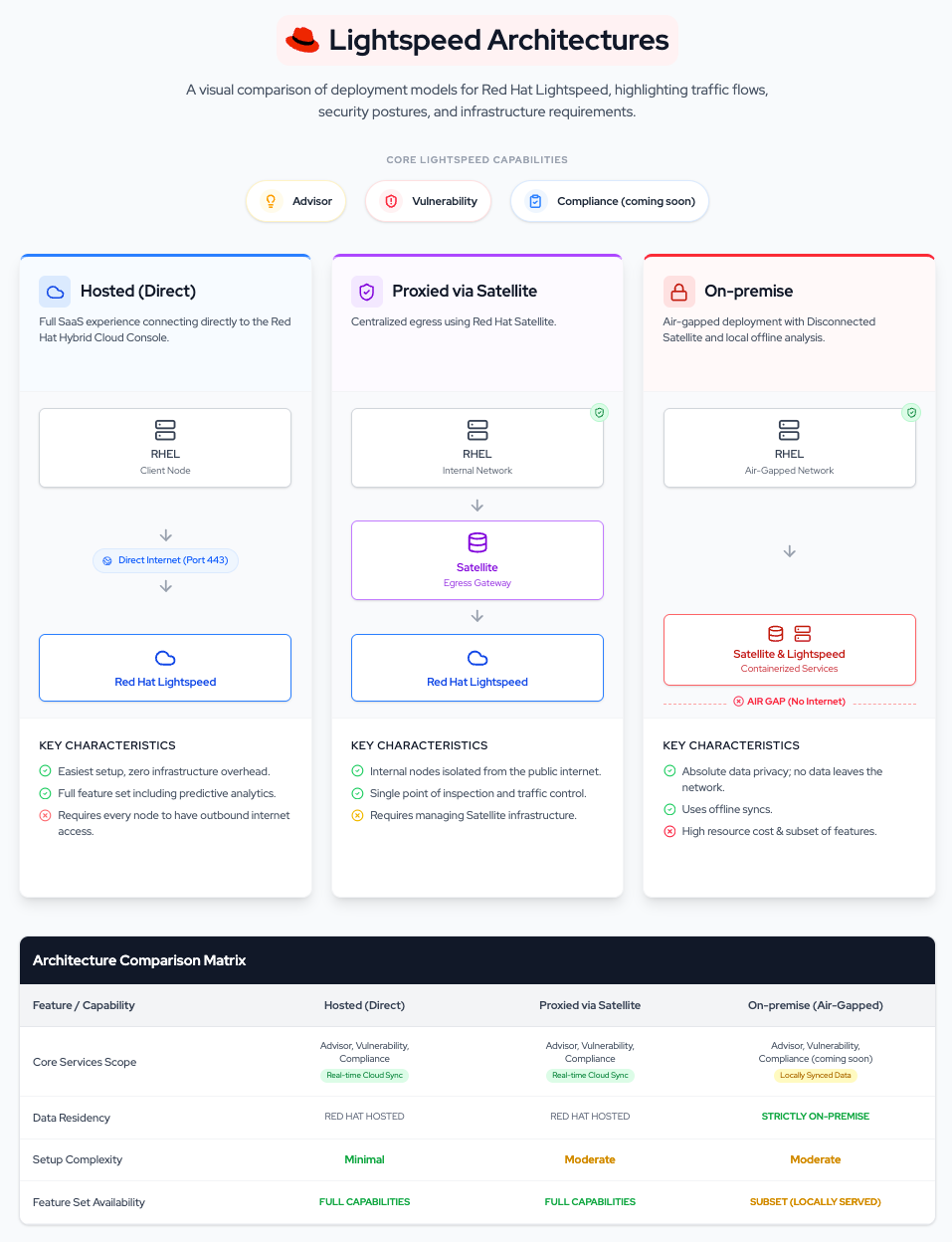
Figura 1. Modelos de arquitectura de Lightspeed
El modelo que elijas dependerá de los requisitos normativos y del apetito de riesgo de tu organización. A continuación, te explicamos cómo cada modelo puede alinearse con tus objetivos empresariales.
Alojado (directo): Agilidad máxima y el TCO más bajo
En el modelo alojado, que se incluye en tu suscripción de Red Hat Enterprise Linux (RHEL), cada nodo de RHEL de tu entorno se conecta directamente a Red Hat Lightspeed a través de internet.
- El valor empresarial: Este es el enfoque definitivo sin fricciones. Ofrece la obtención de valor más rápida con una complejidad de configuración mínima. Tus equipos obtienen acceso inmediato y en tiempo real al conjunto completo de servicios, incluidos los de asesoría, vulnerabilidades y cumplimiento, sin carga adicional para la infraestructura. Esta función se incluye en tu suscripción de RHEL.
- La contrapartida: Cada nodo requiere acceso de salida a internet y los datos de telemetría residen en la nube alojada por Red Hat.
- El veredicto: Resulta ideal para organizaciones que priorizan la velocidad, minimizan los costes de infraestructura y operan en entornos comerciales estándar donde la residencia de datos en la nube pública es aceptable.
Mediante proxy con Satellite: El punto medio seguro
Para las organizaciones que necesitan un control centralizado del tráfico de red, la arquitectura mediante proxy con Satellite ofrece una solución equilibrada y elegante. Los nodos internos permanecen aislados de forma segura de la red pública de internet y enrutan todo el tráfico de Red Hat Lightspeed a través de una puerta de enlace de salida centralizada de Red Hat Satellite.
- El valor empresarial: Mantienes las ventajas de la sincronización con la nube en tiempo real y la disponibilidad total de las funciones del modelo alojado, pero con una postura de seguridad mejorada significativamente. Tu red interna permanece oculta para el mundo exterior, lo cual cumple con los requisitos de la mayoría de los equipos internos de seguridad y cumplimiento.
- La contrapartida: La complejidad de la configuración es moderada y requiere gestionar una infraestructura de Red Hat Satellite.
- El veredicto: El estándar de referencia para los entornos empresariales y financieros convencionales. Equilibra la seguridad sólida de la red interna con la potencia del análisis de la nube en tiempo real.
Esta función requiere una suscripción a Red Hat Satellite.
Local (con aislamiento físico): Soberanía absoluta de los datos
Las organizaciones de sectores como la defensa o las infraestructuras críticas, o aquellas en sectores públicos altamente regulados, no pueden permitir que ningún dato salga de sus redes físicas. Para estos entornos, Red Hat Lightspeed ofrece un subconjunto de servicios en una arquitectura local que utiliza sincronizaciones desconectadas de Red Hat Satellite y servicios de Red Hat Lightspeed en contenedores.
- El valor empresarial: Residencia de datos absoluta. Los datos de telemetría se analizan por completo dentro de tus propias instalaciones. Con este modelo, aún puedes aprovechar las potentes funciones de análisis (advisor) y el seguimiento de vulnerabilidades sin infringir los estrictos mandatos de aislamiento físico.
- La contrapartida: Si bien la complejidad de la configuración es manejable, este modelo requiere mantener los datos sincronizados de forma local en lugar de depender de las actualizaciones de la nube en tiempo real.
- Veredicto: La elección obligatoria para entornos de confianza cero, altamente confidenciales o estrictamente regulados, donde la soberanía absoluta de los datos es la prioridad innegociable.
Esta función requiere una suscripción a Red Hat Satellite.
Cómo tomar la decisión correcta
Selecciona la arquitectura que se adapte a tus capacidades operativas y a tu tolerancia al riesgo; no existe una única opción correcta universal.
Al comprender las diferencias entre las implementaciones alojadas, mediante proxy y locales, quienes toman las decisiones pueden brindar a sus equipos las herramientas necesarias. Esto permite proteger y gestionar las flotas de RHEL de manera preventiva, sin poner en peligro los estándares de seguridad de la organización.
Lecturas adicionales
- “Sincronización de Red Hat Satellite con Red Hat Lightspeed:” Publicación detallada del blog sobre cómo Satellite interactúa con Red Hat Lightspeed (anteriormente conocido como Insights).
- “Asesor de Red Hat Lightspeed en Red Hat Satellite”: Publicación detallada del blog sobre la configuración de Red Hat Lightspeed con Satellite para implementaciones locales con aislamiento físico.
- Portal de información de Red Hat Lightspeed
Prueba del producto
Red Hat Enterprise Linux AI | Versión de prueba del producto
Sobre el autor
As a Senior Principal Technical Marketing Manager in the Red Hat Enterprise Linux business unit, Matthew Yee is here to help everyone understand what our products do. He joined Red Hat in 2021 and is based in Vancouver, Canada.
Más como éste
Red Hat Enterprise Linux Long-Life Add-On: RHEL sin una fecha de finalización predeterminada
Avance de las funciones poscuánticas de SSH en Red Hat Enterprise Linux
Infrastructure At The Edge | Compiler
Operating System Management | Compiler
Obtenga más información
- E-book: La gestión de la infraestructura en todos los entornos de nube
- E-book: Diseñe una base de TI eficiente para la modernización exitosa de su empresa
- Comience su prueba gratuita: Red Hat Enterprise Linux
Navegar por canal

Automatización
Las últimas novedades en la automatización de la TI para los equipos, la tecnología y los entornos

Inteligencia artificial
Descubra las actualizaciones en las plataformas que permiten a los clientes ejecutar cargas de trabajo de inteligecia artificial en cualquier lugar

Nube híbrida abierta
Vea como construimos un futuro flexible con la nube híbrida

Seguridad
Vea las últimas novedades sobre cómo reducimos los riesgos en entornos y tecnologías

Edge computing
Conozca las actualizaciones en las plataformas que simplifican las operaciones en el edge

Infraestructura
Vea las últimas novedades sobre la plataforma Linux empresarial líder en el mundo

Aplicaciones
Conozca nuestras soluciones para abordar los desafíos más complejos de las aplicaciones

Virtualización
El futuro de la virtualización empresarial para tus cargas de trabajo locales o en la nube
