
Le maintien de la stabilité opérationnelle tout en sécurisant l'infrastructure contre une liste de vulnérabilités en constante augmentation est un exercice d'équilibre quotidien. Red Hat Lightspeed fournit les principaux services requis pour gérer votre infrastructure à grande échelle.
Pour profiter pleinement de ces services, il convient toutefois de prendre une décision stratégique : Comment votre infrastructure doit-elle se connecter à Red Hat Lightspeed ?
Le choix d'une architecture de déploiement va au-delà de l'ingénierie ; il doit également tenir compte de la stratégie commerciale, car il influe sur la confidentialité des données, les coûts d'infrastructure et l'agilité opérationnelle. Red Hat Lightspeed propose trois modèles d'architecture distincts, présentés dans la Figure 1.
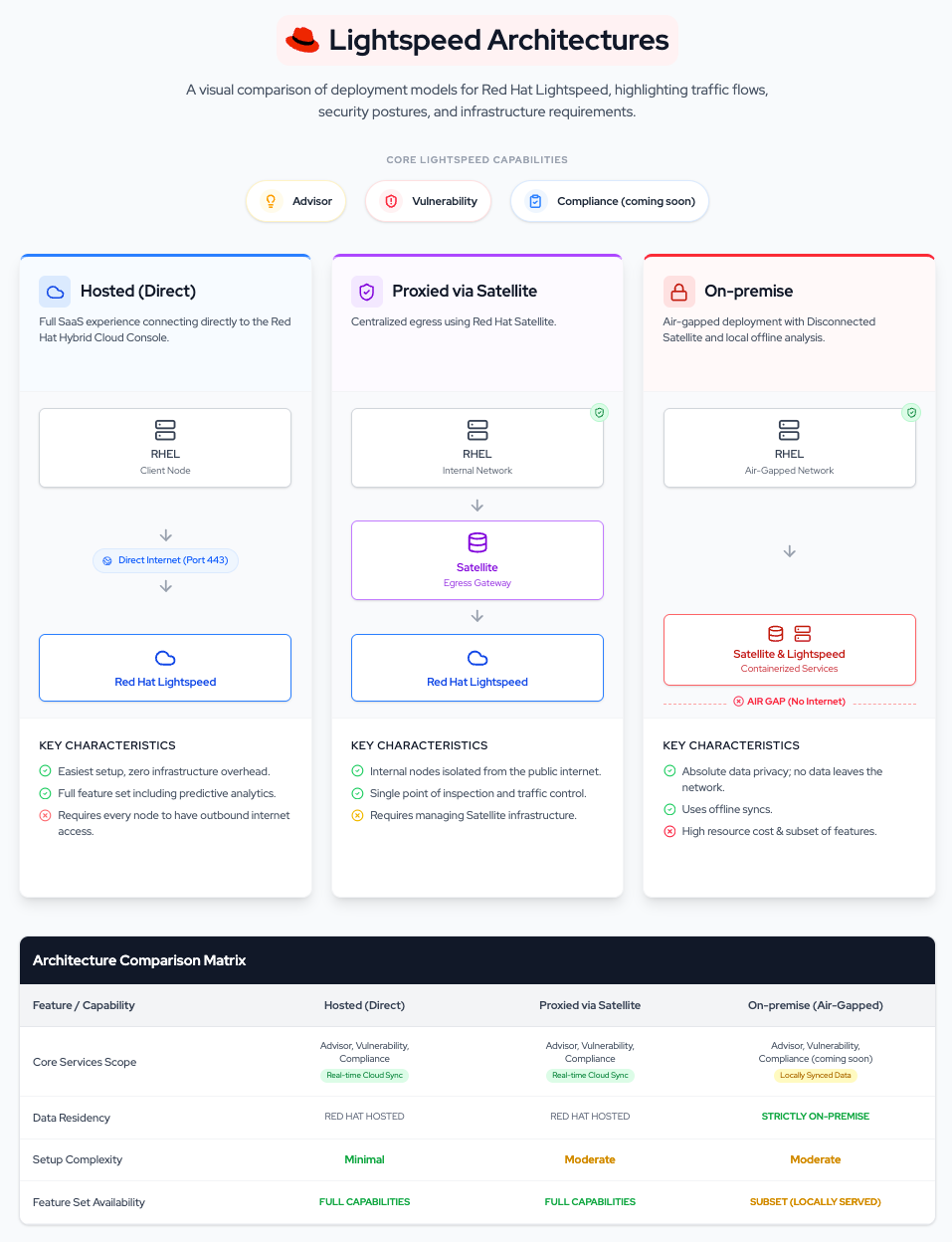
Figure 1. Modèles architecturaux Lightspeed
Le modèle que vous choisirez dépendra des exigences réglementaires et de l'appétence au risque de votre entreprise. Voici comment réfléchir à la manière dont chaque modèle peut s'aligner sur vos objectifs métier.
Hébergé (direct) : Agilité maximale et TCO le plus bas
Dans le modèle hébergé, qui est inclus dans votre souscription Red Hat Enterprise Linux (RHEL), chaque nœud RHEL de votre environnement se connecte directement à Red Hat Lightspeed via Internet.
- La valeur métier : Il s'agit de l'approche sans friction par excellence. Il offre les délais de rentabilisation les plus courts avec un minimum de complexité de configuration. Vos équipes bénéficient d'un accès immédiat et en temps réel à l'ensemble des services, notamment aux services Advisor, de vulnérabilité et de conformité, sans surcharge d'infrastructure supplémentaire. Cette fonctionnalité est incluse dans votre souscription RHEL.
- Le compromis : Chaque nœud nécessite un accès Internet sortant, et les données de télémétrie résident dans le cloud hébergé par Red Hat.
- Le verdict : Idéal pour les entreprises qui privilégient la rapidité, minimisent les coûts d'infrastructure et opèrent dans des environnements commerciaux standard où la résidence des données dans le cloud public est acceptable.
Accès par proxy via Satellite : Le terrain d'entente sécurisé
Pour les entreprises qui ont besoin d'un contrôle centralisé de leur trafic réseau, l'architecture avec proxy via Satellite constitue un compromis élégant. Les nœuds internes sont isolés de l'Internet public, et l'ensemble du trafic Red Hat Lightspeed est acheminé via une passerelle de sortie Red Hat Satellite centralisée.
- La valeur métier : Vous conservez les avantages de la synchronisation en temps réel avec le cloud et la disponibilité complète des fonctions du modèle hébergé, tout en renforçant de manière significative votre posture de sécurité. Votre réseau interne reste invisible pour le monde extérieur, répondant ainsi aux exigences de la plupart des équipes de sécurité et de conformité internes.
- Le compromis : La complexité de la configuration est modérée et requiert la gestion d'une infrastructure Red Hat Satellite.
- Le verdict : La référence absolue pour les environnements d'entreprise et financiers standards. Elle concilie une sécurité réseau interne robuste et la puissance de l'analyse cloud en temps réel.
Cette fonctionnalité nécessite une souscription Red Hat Satellite.
Sur site (air gap) : Souveraineté absolue des données
Dans des secteurs tels que la défense, les infrastructures essentielles ou des secteurs publics hautement réglementés, les entreprises ne peuvent autoriser aucune donnée à quitter leurs réseaux physiques. Pour ces environnements, Red Hat Lightspeed propose un sous-ensemble de services dans une architecture sur site qui utilise les synchronisations Red Hat Satellite déconnectées et les services Red Hat Lightspeed conteneurisés.
- La valeur métier : Une résidence des données sans compromis. Les données de télémétrie sont analysées intégralement au sein de vos infrastructures. Avec ce modèle, vous pouvez toujours tirer parti de puissantes capacités d'analyse (Advisor) et de suivi des vulnérabilités, sans enfreindre les exigences strictes de l'air gap.
- Le compromis : Bien que la complexité de la configuration soit gérable (modérée), ce modèle nécessite de conserver des données synchronisées localement au lieu de recourir à des mises à jour du cloud en temps réel.
- Le verdict : Le choix qui s'impose pour les environnements Zero Trust, hautement classés ou strictement réglementés, où la souveraineté absolue des données est une priorité non négociable.
Cette fonctionnalité nécessite une souscription Red Hat Satellite.
Faire le bon choix
Sélectionnez l'architecture qui correspond à vos capacités d'exploitation et à votre tolérance au risque ; il n'existe pas de choix universel.
En comprenant les différences entre les déploiements hébergés, proxy et sur site, les décideurs peuvent fournir à leurs équipes les outils nécessaires pour sécuriser et gérer de manière proactive leurs parcs RHEL, sans compromettre les normes de conformité et de sécurité de leur entreprise.
Lectures complémentaires
- « Synchronisation de Red Hat Satellite avec Red Hat Lightspeed » : Article de blog approfondi sur la façon dont Satellite interagit avec Red Hat Lightspeed (anciennement Insights).
- « Red Hat Lightspeed Advisor dans Red Hat Satellite » : Article de blog approfondi sur la configuration de Red Hat Lightspeed avec Satellite pour les déploiements air gap sur site.
- Portail d'information Red Hat Lightspeed
Essai de produit
Red Hat Enterprise Linux AI | Essai de produit
À propos de l'auteur
As a Senior Principal Technical Marketing Manager in the Red Hat Enterprise Linux business unit, Matthew Yee is here to help everyone understand what our products do. He joined Red Hat in 2021 and is based in Vancouver, Canada.
Plus de résultats similaires
L'importance de la sécurité post-quantique pour les services financiers
Red Hat Enterprise Linux Long-Life Add-On : votre solution RHEL sans date de fin prédéterminée
Infrastructure At The Edge | Compiler
Operating System Management | Compiler
Parcourir par canal

Automatisation
Les dernières nouveautés en matière d'automatisation informatique pour les technologies, les équipes et les environnements

Intelligence artificielle
Actualité sur les plateformes qui permettent aux clients d'exécuter des charges de travail d'IA sur tout type d'environnement

Cloud hybride ouvert
Découvrez comment créer un avenir flexible grâce au cloud hybride

Sécurité
Les dernières actualités sur la façon dont nous réduisons les risques dans tous les environnements et technologies

Edge computing
Actualité sur les plateformes qui simplifient les opérations en périphérie

Infrastructure
Les dernières nouveautés sur la plateforme Linux d'entreprise leader au monde

Applications
À l’intérieur de nos solutions aux défis d’application les plus difficiles

Virtualisation
L'avenir de la virtualisation d'entreprise pour vos charges de travail sur site ou sur le cloud
