
Manter a estabilidade operacional e proteger a infraestrutura contra uma lista crescente de vulnerabilidades é um ato de equilíbrio diário. O Red Hat Lightspeed oferece os principais serviços necessários para gerenciar sua infraestrutura em escala.
No entanto, para aproveitar ao máximo esses serviços, é necessário tomar uma decisão estratégica: Como sua infraestrutura deve se conectar ao Red Hat Lightspeed?
O processo de escolha de uma arquitetura de implantação vai além da engenharia. Ele também deve considerar a estratégia de negócios, por afetar a privacidade dos dados, os custos de infraestrutura e a agilidade operacional. O Red Hat Lightspeed oferece três modelos de arquitetura distintos, destacados na Figura 1.
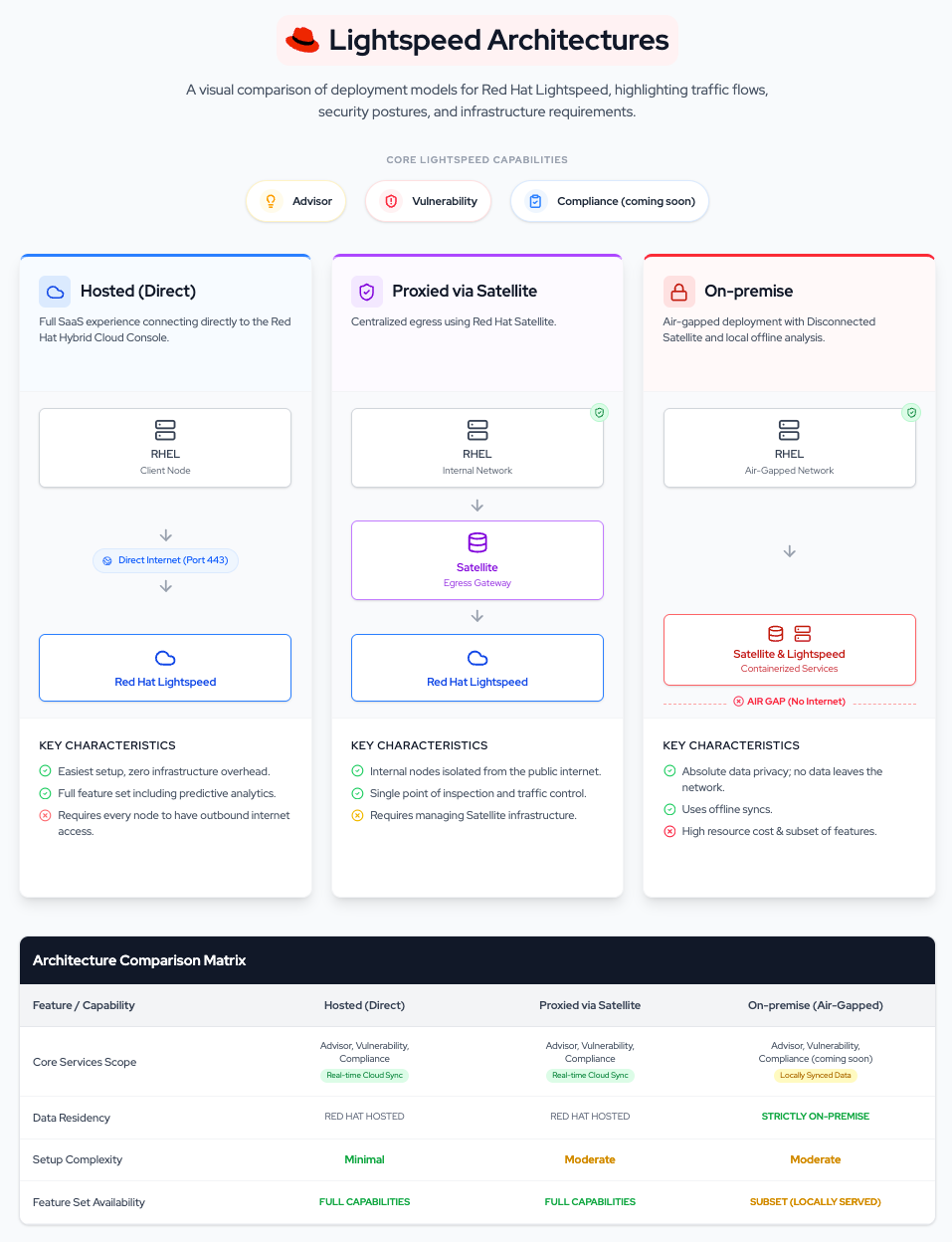
Figura 1. Modelos de arquitetura do Lightspeed
O modelo escolhido dependerá dos requisitos regulatórios e da disposição a riscos da sua organização. Saiba como cada modelo pode se alinhar aos seus objetivos de negócios.
Hospedado (direto): máxima agilidade e o menor TCO
No modelo hospedado, incluído na sua subscrição do Red Hat Enterprise Linux (RHEL), cada nó do RHEL no seu ambiente se conecta diretamente ao Red Hat Lightspeed pela internet.
- O valor de negócio: Essa é a abordagem definitiva de baixa fricção. Ele oferece o menor time to value com complexidade mínima de configuração. Suas equipes ganham acesso imediato e em tempo real ao conjunto completo de serviços, incluindo serviços de consultoria, vulnerabilidade e conformidade, sem custos adicionais de infraestrutura. Esse recurso está incluído na sua subscrição do RHEL.
- A troca: Cada nó exige acesso de saída à internet, e os dados de telemetria residem na nuvem hospedada pela Red Hat.
- O veredito: Ideal para organizações que priorizam a velocidade, minimizam os custos de infraestrutura e operam em ambientes comerciais padrão nos quais a residência de dados na nuvem pública é aceitável.
Proxy via Satellite: o meio-termo seguro
Para organizações que precisam de controle centralizado sobre o tráfego de rede, a arquitetura com proxy via Satellite oferece um equilíbrio elegante. Os nós internos permanecem isolados com segurança da internet pública, roteando todo o tráfego do Red Hat Lightspeed por meio de um gateway de saída do Red Hat Satellite centralizado.
- O valor de negócio: Você mantém os benefícios de sincronização em nuvem em tempo real e a disponibilidade total de recursos do modelo hospedado, mas com uma postura de segurança significativamente aprimorada. Sua rede interna permanece oculta para o mundo exterior, atendendo aos requisitos da maioria das equipes internas de segurança e conformidade.
- A troca: A complexidade da configuração é moderada e exige o gerenciamento de uma infraestrutura do Red Hat Satellite.
- O veredito: O padrão ouro para ambientes corporativos e financeiros padrão. Ele equilibra a segurança robusta da rede interna com o poder da análise de nuvem em tempo real.
Essa funcionalidade exige uma subscrição do Red Hat Satellite.
On-premise (com isolamento físico): soberania absoluta dos dados
Organizações em setores como defesa ou infraestrutura crítica, ou em setores públicos altamente regulamentados, não podem permitir que nenhum dado saia de suas redes físicas. Para esses ambientes, o Red Hat Lightspeed oferece um subconjunto de serviços em uma arquitetura on-premise que usa sincronizações desconectadas do Red Hat Satellite e serviços em containers do Red Hat Lightspeed.
- O valor de negócio: Residência de dados rigorosa. Analise os dados de telemetria inteiramente nas suas instalações. Com esse modelo, você ainda pode aproveitar análises avançadas (Advisor) e rastreamento de vulnerabilidades sem violar mandatos rigorosos de isolamento físico.
- A troca: Embora a complexidade de configuração seja gerenciável (moderada), esse modelo exige a manutenção de dados sincronizados localmente em vez de depender de atualizações em nuvem em tempo real.
- O veredito: A escolha obrigatória para ambientes de confiança zero, altamente confidenciais ou estritamente regulamentados, em que a soberania absoluta dos dados é uma prioridade não negociável.
Essa funcionalidade exige uma subscrição do Red Hat Satellite.
Faça a escolha certa
Selecione a arquitetura que se alinhe às suas capacidades operacionais e tolerância a riscos; não existe uma escolha certa para todos.
Ao entender as diferenças entre implantações hospedadas, com proxy e on-premise, as lideranças podem oferecer às equipes as ferramentas necessárias para proteger e gerenciar proativamente suas frotas do RHEL, sem comprometer os padrões de conformidade e segurança da organização.
Leitura adicional
- “Sincronização do Red Hat Satellite com o Red Hat Lightspeed:” post detalhado sobre como o Satellite interage com o Red Hat Lightspeed (anteriormente conhecido como Insights).
- “Red Hat Lightspeed Advisor no Red Hat Satellite:” Post detalhado sobre a configuração do Red Hat Lightspeed com Satellite para implantações on-premise com isolamento físico.
- Portal de informações do Red Hat Lightspeed
Teste de produto
Red Hat Enterprise Linux AI | Teste de solução
Sobre o autor
As a Senior Principal Technical Marketing Manager in the Red Hat Enterprise Linux business unit, Matthew Yee is here to help everyone understand what our products do. He joined Red Hat in 2021 and is based in Vancouver, Canada.
Mais como este
Red Hat Enterprise Linux Long-Life Add-On
Avanço dos recursos pós-quânticos de SSH no Red Hat Enterprise Linux
Infrastructure At The Edge | Compiler
Operating System Management | Compiler
Leia mais
- E-book: Gerenciar infraestruturas na escala da nuvem
- E-book: Estabeleça uma base de TI eficiente para o sucesso dos negócios
- Comece a testar: Red Hat Enterprise Linux
Navegue por canal

Automação
Últimas novidades em automação de TI para empresas de tecnologia, equipes e ambientes

Inteligência artificial
Descubra as atualizações nas plataformas que proporcionam aos clientes executar suas cargas de trabalho de IA em qualquer ambiente

Nuvem híbrida aberta
Veja como construímos um futuro mais flexível com a nuvem híbrida

Segurança
Veja as últimas novidades sobre como reduzimos riscos em ambientes e tecnologias

Edge computing
Saiba quais são as atualizações nas plataformas que simplificam as operações na borda

Infraestrutura
Saiba o que há de mais recente na plataforma Linux empresarial líder mundial

Aplicações
Conheça nossas soluções desenvolvidas para ajudar você a superar os desafios mais complexos de aplicações

Virtualização
O futuro da virtualização empresarial para suas cargas de trabalho on-premise ou na nuvem
