The Boston Children’s Hospital FNNDSC team is using DevOps to improve its delivery on ChRIS, a solution helping to democratize healthcare platforms
As a leader in open source technology, Red Hat believes in using an open development model and DevOps best practices to create more stable and innovative technologies built with IT security needs in mind. We have spent decades collaborating with customers to develop software solutions that drive our customers—and the world—forward.
Red Hat and Boston Children’s Hospital (BCH) have a history of working together to do just that. In 2018, we shared the story of Creating ChRIS, demonstrating what happens when passionate visionaries and open technologies come together. Born out of a tight partnership between Boston Children’s Hospital, the Massachusetts Open Cloud (MOC) and Red Hat, the series follows a group of talented researchers as they develop the ChRIS Research Integration System, an open source, web-based medical imaging platform that greatly increases the speed and scale at which medical researchers can analyze images such as MRIs through the use of a distributed cloud-native platform.
At the height of the pandemic in 2020, DarwinAI and Red Hat announced that they were tapping into the expertise of a BCH computation research group, the Fetal Neonatal Neuroimaging and Developmental Science Center (FNNDSC), and the ChRIS platform to accelerate and deploy a COVID-19 detection and risk stratification software for real-world clinical and research use.
This innovative collaboration lives on. Through the Red Hat Social Innovation program, staff from Boston Children’s Hospital participated in Red Hat Training: DevOps Culture and Practice Enablement (TL500). TL500 is a five-day, immersive class offering students an opportunity to experience and implement cultural shifts that are utilized in many successful DevOps adoption journeys. BCH staff were excited to take the next step in adopting cloud-native best practices to leverage the technology that has already been developed.
ChRIS started from the ground up as a forward-looking project to improve the computation and analysis of data for medical researchers, including those at Boston Children's Hospital. Since then, the service has experienced an increasing amount of use. More users, more data and more workloads mean that the team needed to shift their focus from project building to a more DevOps and service-delivery mindset to better serve their growing user base.
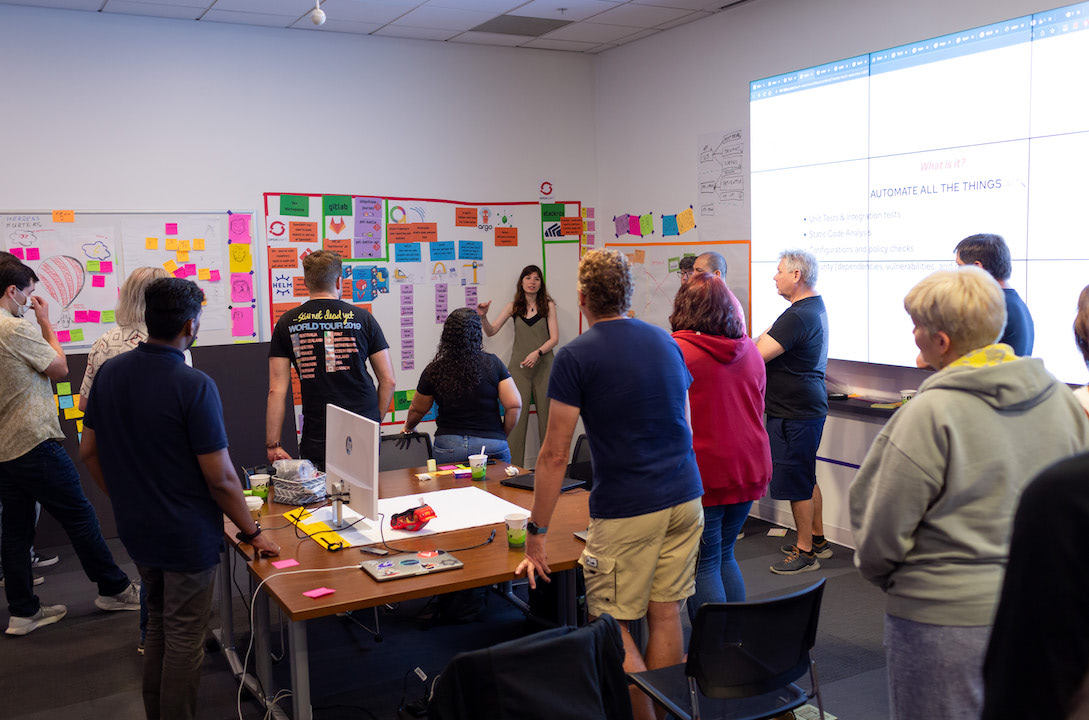
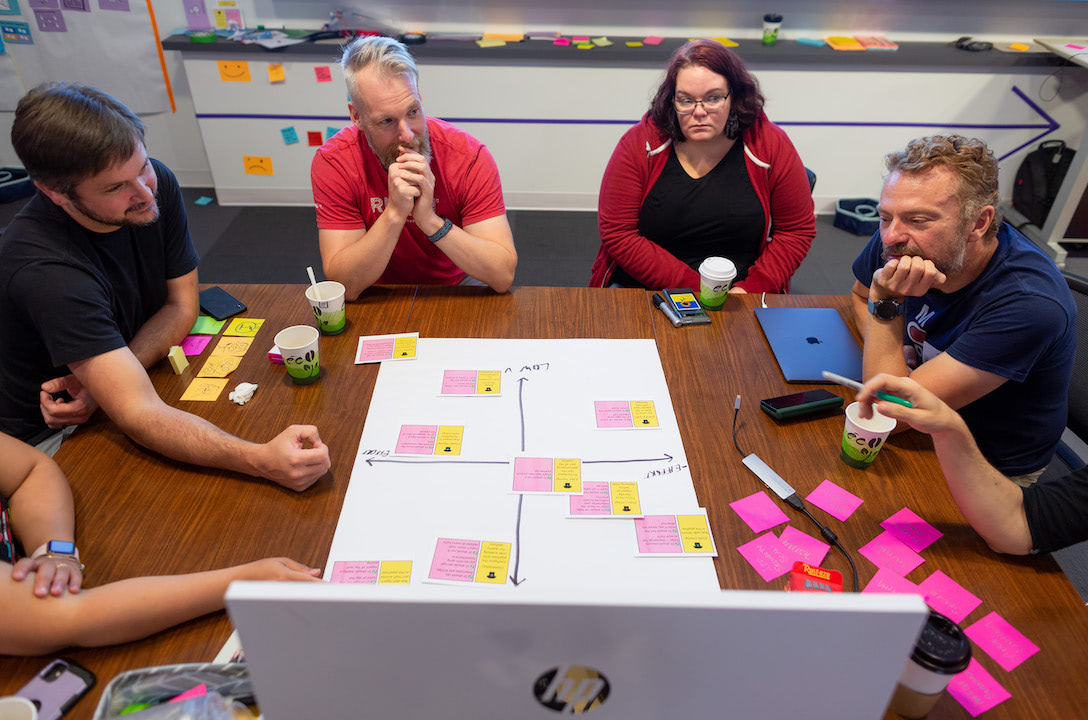
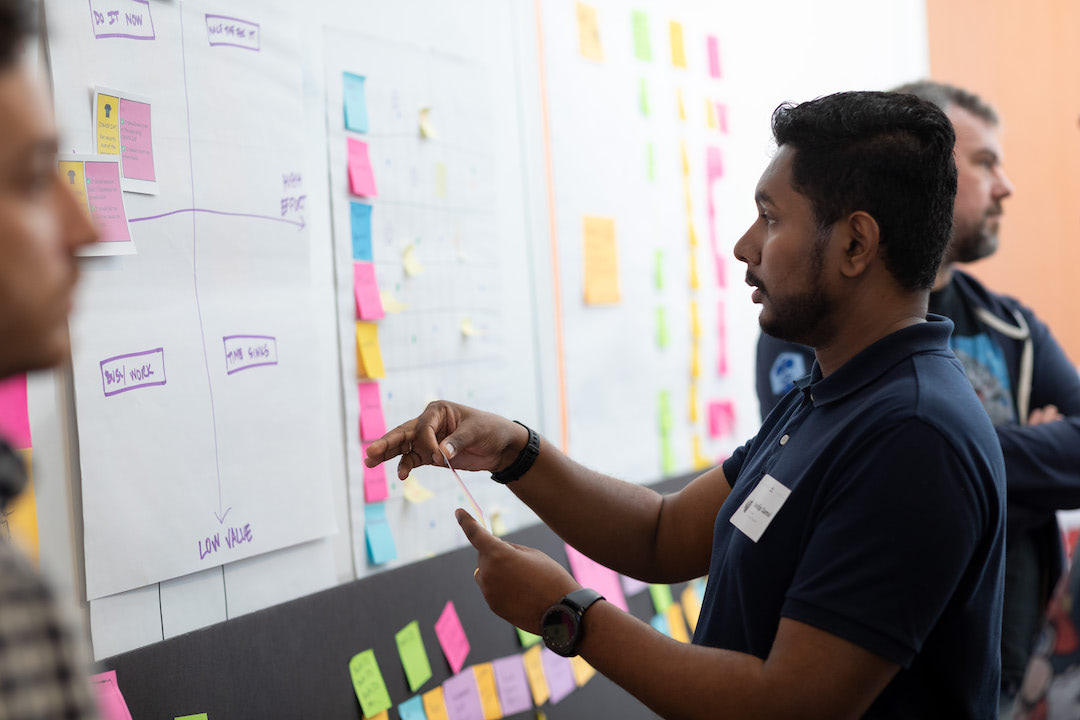
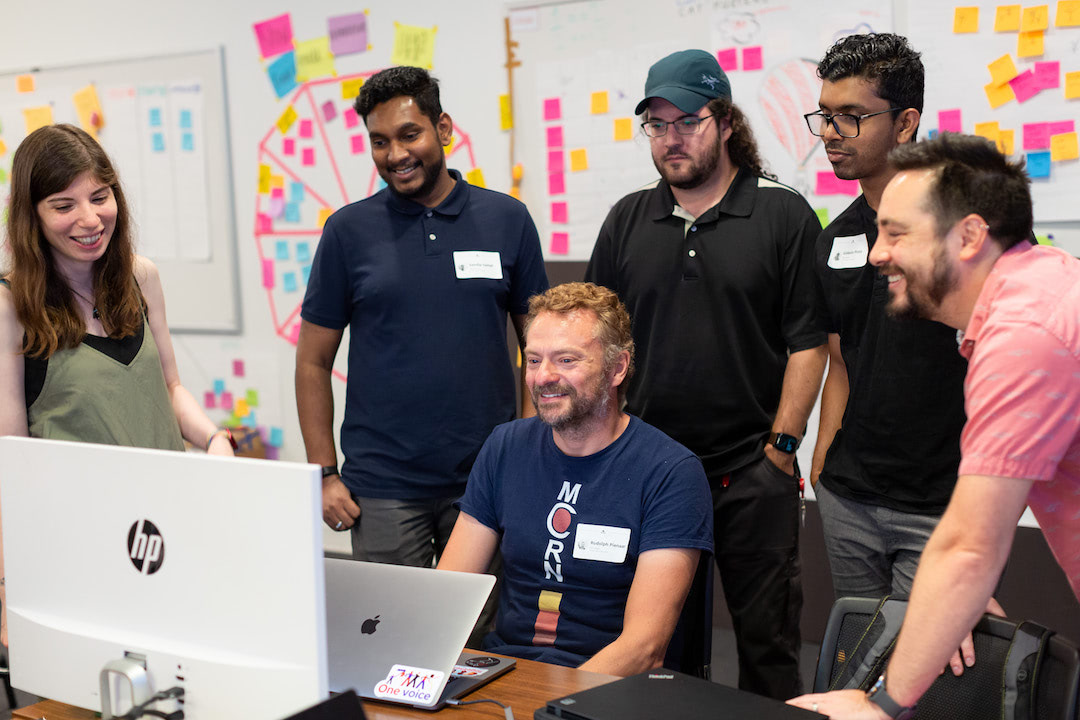
Throughout the TL500 training, Red Hat experts worked side-by-side with BCH staff in an immersive experience that teaches the DevOps best practices and methods needed to shift their approach to delivering ChRIS. The experience promotes a systems-thinking approach to delivery, with a focus on how current technology can integrate and enable the delivery of new features and bug fixes. Staff were mentored on merging technical and leadership skills to solve problems efficiently and effectively. The five-day course fostered an infectious enthusiasm about new ways of working and embracing DevOps culture and looking forward to where these practices might fit into their day-to-day operations and long-term plans. Many exercises are repeatable and available to any team through Red Hat’s Open Practice Library.
Sandip, a back-end developer with BCH, shared his experience of learning to approach IT through the lens of DevOps culture: “One of my fears was that at the end of this week, I might not be able to connect everything to my day-to-day work. But I realized that this course is not just about the technology, it's about enabling you with the right ways to think about a project. That was an eye-opener for me. I immediately got to implement some of these processes to help me prioritize my projects and determine where my focus should be.”
“To get medical research software to the appropriate level of reliability and usability, you need these kinds of tools. Everything we’ve learned is going to be fundamental to getting these tools out of the lab and into the real world…I've got two of my great team members here with me, so we've all been exposed to it. We're going to take this knowledge back to our team and figure out which mix of these practices makes sense for us. We will definitely adapt our current practices based upon what we've learned this week.” - Rudolph Pienaar, PhD - Staff Scientist, Boston Children’s Hospital
Learn more
Sobre o autor

Alexandra Machado leads the Social Innovation Program at Red Hat. She is a thought leader in the open source and cross sector collaboration space. Machado is passionate about defining new and better technological and corporate culture strategies to help the world be better equipped to overcome global problems. She holds an MBA and MSc in Information and Communications Technologies. She currently lives in New York City.
Mais como este
How does real-world AI deliver value? The Ask Red Hat example
Why the future of AI depends on a portable, open PyTorch ecosystem
Command Line Heroes: Season 2: Bonus_Developer Advocacy Roundtable
Sustainability Beyond Servers | Compiler
Navegue por canal

Automação
Últimas novidades em automação de TI para empresas de tecnologia, equipes e ambientes

Inteligência artificial
Descubra as atualizações nas plataformas que proporcionam aos clientes executar suas cargas de trabalho de IA em qualquer ambiente

Nuvem híbrida aberta
Veja como construímos um futuro mais flexível com a nuvem híbrida

Segurança
Veja as últimas novidades sobre como reduzimos riscos em ambientes e tecnologias

Edge computing
Saiba quais são as atualizações nas plataformas que simplificam as operações na borda

Infraestrutura
Saiba o que há de mais recente na plataforma Linux empresarial líder mundial

Aplicações
Conheça nossas soluções desenvolvidas para ajudar você a superar os desafios mais complexos de aplicações

Virtualização
O futuro da virtualização empresarial para suas cargas de trabalho on-premise ou na nuvem
