
Mantenere la stabilità operativa e proteggere al contempo l'infrastruttura da un elenco sempre più lungo di vulnerabilità è una sfida quotidiana. Red Hat Lightspeed fornisce i servizi principali necessari per gestire la tua infrastruttura in modo scalabile.
Tuttavia, per ottenere il massimo da questi servizi devi prendere una decisione strategica. Qual è il modo migliore per connettere la tua infrastruttura a Red Hat Lightspeed?
La scelta di un'architettura di distribuzione va oltre l'aspetto tecnico; deve considerare anche la strategia aziendale, poiché influisce sulla privacy dei dati, sui costi dell'infrastruttura e sulla tua agilità operativa. Red Hat Lightspeed offre tre modelli architetturali distinti, descritti nella Figura 1.
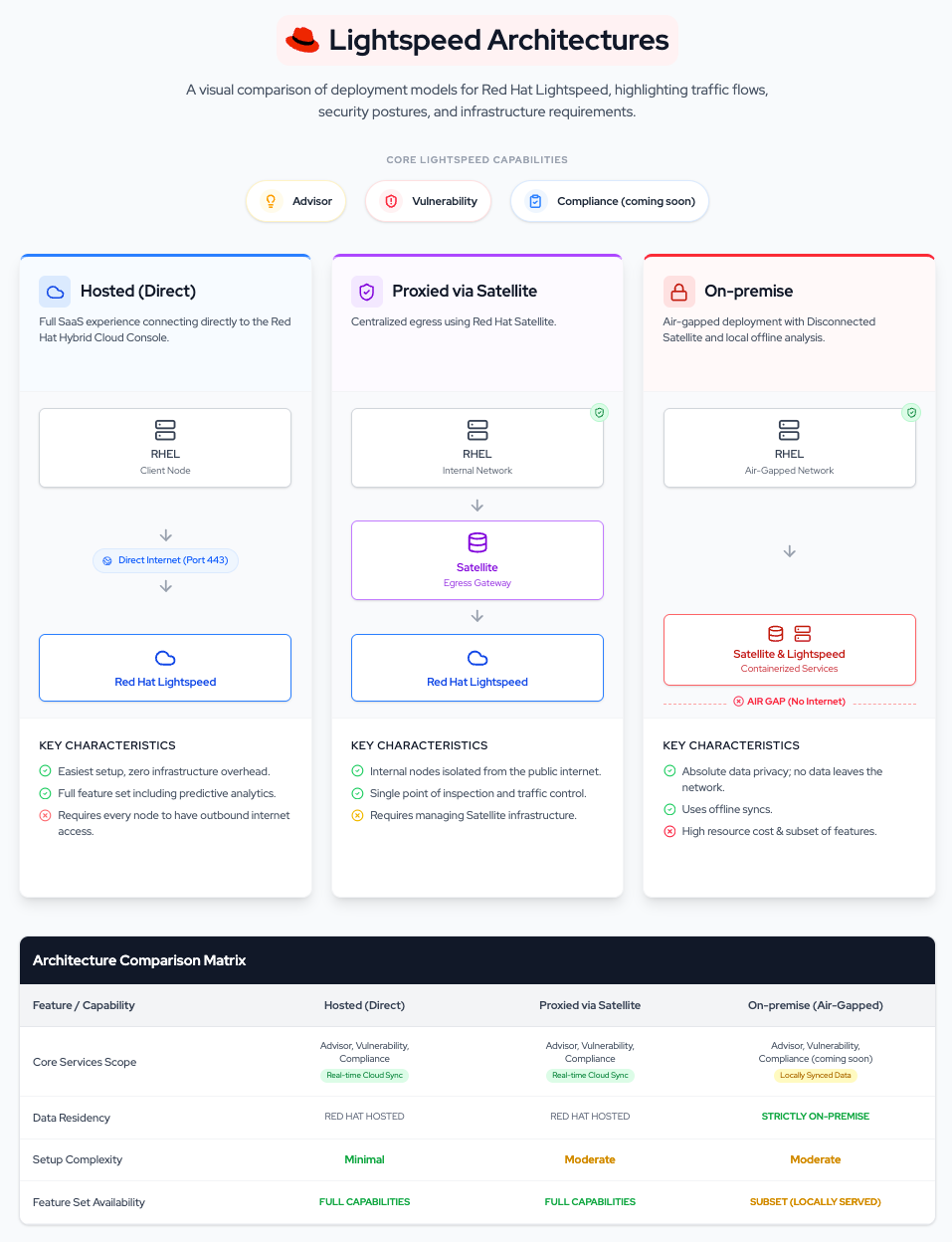
Figura 1. Modelli architetturali Lightspeed
Il modello scelto dipenderà dai requisiti normativi e dalla propensione al rischio della tua organizzazione. Ecco come valutare l'allineamento di ogni modello con i tuoi obiettivi aziendali.
Hosting (diretto): massima agilità e costo totale di proprietà (TCO) minimo
Nel modello in hosting, incluso nella tua sottoscrizione Red Hat Enterprise Linux (RHEL), ogni nodo RHEL del tuo ambiente si connette direttamente a Red Hat Lightspeed tramite Internet.
- Il valore aziendale: è un approccio con attrito minimo. Offre tempi rapidi per la realizzazione del valore con una complessità di configurazione minima. I tuoi team ottengono l'accesso immediato e in tempo reale alla suite completa di servizi, compresi quelli di consulenza, vulnerabilità e conformità, senza alcun sovraccarico per l'infrastruttura. Questa funzionalità è inclusa nella tua sottoscrizione RHEL.
- Il compromesso: ogni nodo richiede l'accesso a Internet in uscita e i dati di telemetria risiedono nel cloud ospitato da Red Hat.
- Il verdetto: soluzione ideale per le organizzazioni che privilegiano la velocità, riducono al minimo i costi dell'infrastruttura e operano in ambienti commerciali standard in cui la residenza dei dati nel cloud pubblico è accettabile.
Tramite proxy con Satellite: una via di mezzo sicura
Per le organizzazioni che necessitano di un controllo centralizzato sul traffico di rete, l'architettura tramite proxy con Satellite rappresenta un ottimo compromesso. I nodi interni restano isolati in sicurezza dalla rete Internet pubblica, instradando tutto il traffico di Red Hat Lightspeed attraverso un gateway di uscita centralizzato di Red Hat Satellite.
- Il valore aziendale: mantieni i vantaggi della sincronizzazione cloud in tempo reale e la disponibilità completa delle funzionalità del modello in hosting, ma con un livello di sicurezza notevolmente superiore. La tua rete interna rimane invisibile al mondo esterno, soddisfacendo i requisiti della maggior parte dei team di sicurezza e conformità interni.
- Il compromesso: la complessità della configurazione è moderata e richiede la gestione di un'infrastruttura Red Hat Satellite.
- Il verdetto: è lo standard di riferimento per gli ambienti aziendali e finanziari comuni. Coniuga la solida sicurezza della rete interna con l’efficienza dell'analisi cloud in tempo reale.
Questa funzionalità richiede una sottoscrizione a Red Hat Satellite.
On premise (air gapped): Sovranità dei dati completa
Le organizzazioni che operano in settori come la difesa o le infrastrutture di importanza critica, o nel settore pubblico altamente regolamentato, non possono consentire ai dati di uscire dalle proprie reti fisiche. Per questi ambienti, Red Hat Lightspeed offre un sottoinsieme di servizi in un'architettura on premise che utilizza sincronizzazioni Red Hat Satellite disconnesse e servizi Red Hat Lightspeed containerizzati.
- Il valore aziendale: residenza dei dati senza compromessi. I dati di telemetria vengono analizzati interamente all'interno della tua sede. Con questo modello, puoi ancora sfruttare i potenti strumenti di analisi (advisor) e il monitoraggio delle vulnerabilità senza violare i rigorosi obblighi dell’air gapping.
- Il compromesso: sebbene la complessità della configurazione sia gestibile (moderata), questo modello richiede la gestione di dati sincronizzati localmente anziché l'affidamento ad aggiornamenti cloud in tempo reale.
- Il verdetto: rappresenta la scelta obbligatoria per gli ambienti zero trust, altamente classificati o rigorosamente regolamentati, in cui la sovranità dei dati completa rappresenta la priorità non negoziabile.
Questa funzionalità richiede una sottoscrizione a Red Hat Satellite.
La scelta giusta
Scegli l'architettura più adatta alle tue capacità operative e alla tua tolleranza al rischio; non esiste una scelta universalmente corretta.
Comprendendo le differenze tra distribuzioni in hosting, proxy e on premise, chi prende le decisioni può fornire ai propri team gli strumenti necessari per proteggere e gestire in modo proattivo i sistemi RHEL, senza compromettere gli standard di conformità e sicurezza dell'organizzazione.
Approfondimenti
- “Sincronizzazione di Red Hat Satellite con Red Hat Lightspeed:” un articolo del blog approfondito su come Satellite interagisce con Red Hat Lightspeed (precedentemente noto come Insights).
- “Red Hat Lightspeed advisor in Red Hat Satellite:” un post approfondito dal blog, sulla configurazione di Red Hat Lightspeed con Satellite per distribuzioni air gapped on premise.
- Portale informativo di Red Hat Lightspeed
Prova prodotto
Red Hat Enterprise Linux AI | Versione di prova
Sull'autore
As a Senior Principal Technical Marketing Manager in the Red Hat Enterprise Linux business unit, Matthew Yee is here to help everyone understand what our products do. He joined Red Hat in 2021 and is based in Vancouver, Canada.
Altri risultati simili a questo
Red Hat Enterprise Linux Long-Life Add-On: un percorso verso RHEL senza una scadenza predeterminata
Funzionalità post-quantistiche di SSH migliorate in Red Hat Enterprise Linux
Infrastructure At The Edge | Compiler
Operating System Management | Compiler
Scopri di più
- Ebook: Gestire l'infrastruttura composta da più ambienti cloud
- Ebook: Un framework IT efficiente come base per il successo dell'impresa moderna
- Inizia la tua prova: Red Hat Enterprise Linux
Ricerca per canale

Automazione
Novità sull'automazione IT di tecnologie, team e ambienti

Intelligenza artificiale
Aggiornamenti sulle piattaforme che consentono alle aziende di eseguire carichi di lavoro IA ovunque

Hybrid cloud open source
Scopri come affrontare il futuro in modo più agile grazie al cloud ibrido

Sicurezza
Le ultime novità sulle nostre soluzioni per ridurre i rischi nelle tecnologie e negli ambienti

Edge computing
Aggiornamenti sulle piattaforme che semplificano l'operatività edge

Infrastruttura
Le ultime novità sulla piattaforma Linux aziendale leader a livello mondiale

Applicazioni
Approfondimenti sulle nostre soluzioni alle sfide applicative più difficili

Virtualizzazione
Il futuro della virtualizzazione negli ambienti aziendali per i carichi di lavoro on premise o nel cloud
