
Es ist ein täglicher Balanceakt, die operative Stabilität aufrechtzuerhalten und gleichzeitig die Infrastruktur vor einer ständig wachsenden Liste von Schwachstellen zu schützen. Red Hat Lightspeed bietet die wichtigsten Services, mit denen Sie Ihre Infrastruktur skalierbar verwalten.
Um diese Services optimal zu nutzen, müssen Sie jedoch eine strategische Entscheidung treffen: Wie soll Ihre Infrastruktur eine Verbindung zu Red Hat Lightspeed herstellen?
Die Auswahl einer Deployment-Architektur geht über das Engineering hinaus. Sie muss auch die Geschäftsstrategie berücksichtigen, da diese Auswirkungen auf den Datenschutz, die Infrastrukturkosten und die operative Agilität hat. Abbildung 1 zeigt die 3 verschiedenen Architekturmodelle von Red Hat Lightspeed.
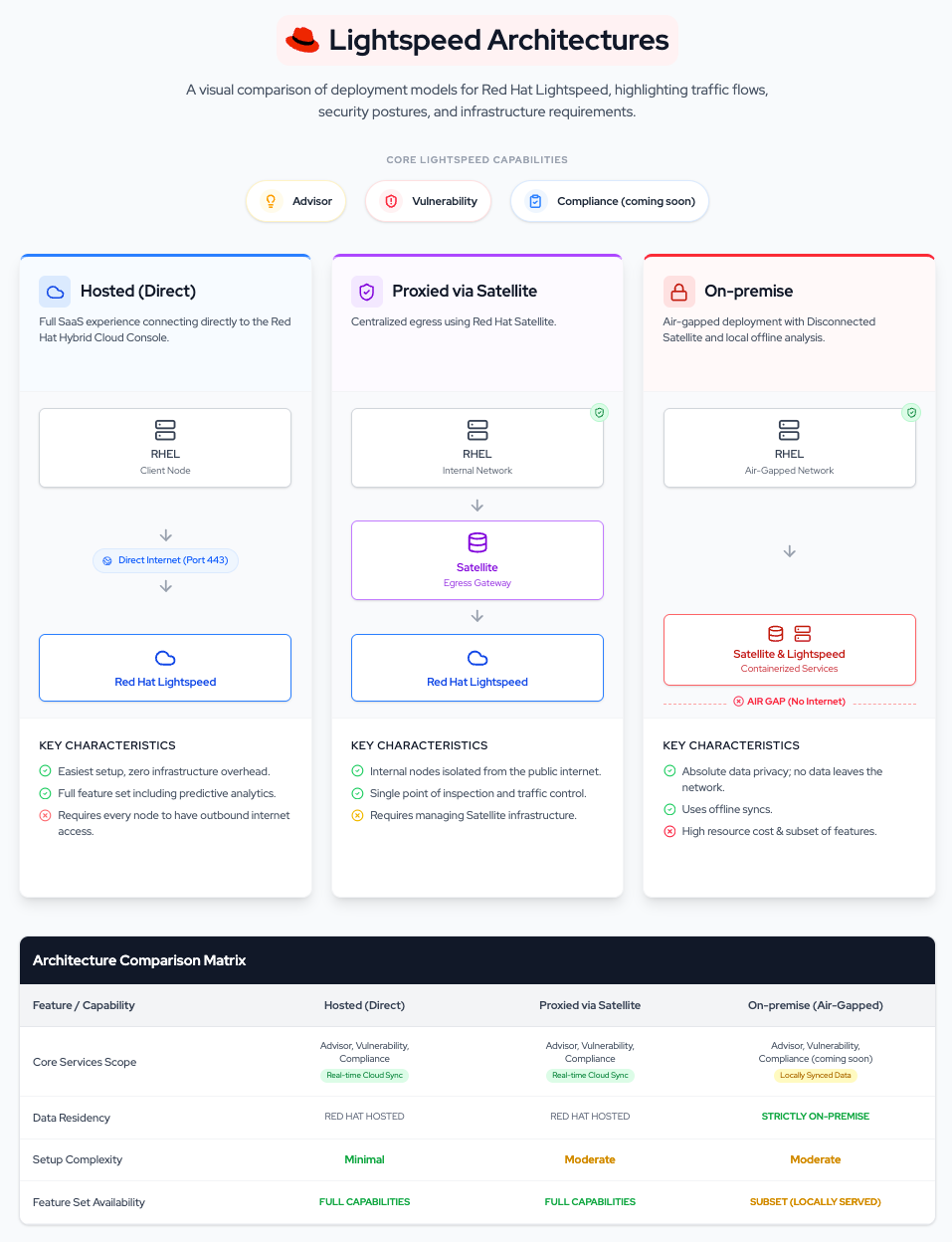
Abbildung 1. Lightspeed-Architekturmodelle
Für welches Modell Sie sich entscheiden, hängt von den regulatorischen Anforderungen und der Risikoakzeptanz Ihres Unternehmens ab. Hier erfahren Sie, wie Sie die einzelnen Modelle mit Ihren Geschäftszielen abstimmen können.
Gehostet (direkt): Hohe Agilität und geringe Gesamtbetriebskosten (TCO)
Beim gehosteten Modell, das in der Subskription von Red Hat Enterprise Linux (RHEL) enthalten ist, verbinden sich Ihre RHEL-Knoten in Ihrer Umgebung über das Internet direkt mit Red Hat Lightspeed.
- Der Geschäftswert: Dies ist ein besonders reibungsloser Ansatz. Er ermöglicht eine schnelle Wertschöpfung bei geringer Setup-Komplexität. Ihre Teams erhalten sofortigen Echtzeitzugriff auf die Services, darunter Advisor-, Schwachstellen- und Compliance-Services, ohne zusätzlichen Infrastruktur-Overhead. Diese Funktion ist in der Subskription von RHEL enthalten.
- Der Kompromiss: Knoten benötigen einen ausgehenden Internetzugang, und Telemetriedaten befinden sich in der gehosteten Cloud von Red Hat.
- Das Fazit: Ideal für Unternehmen, die Wert auf Geschwindigkeit legen, Infrastrukturkosten minimieren und in standardmäßigen kommerziellen Umgebungen arbeiten, in denen eine Datenresidenz in der Public Cloud zulässig ist.
Weiterleitung über Satellite: Der sichere Mittelweg
Für Organisationen, die eine zentrale Kontrolle über ihren Netzwerkverkehr benötigen, stellt die Proxy-Architektur über Satellite einen eleganten Kompromiss dar. Interne Knoten bleiben sicher vom öffentlichen Internet isoliert. Sie leiten den gesamten Datenverkehr mit Red Hat Lightspeed durch ein zentralisiertes Egress-Gateway von Red Hat Satellite.
- Der Geschäftswert: Sie nutzen weiterhin die Vorteile der Echtzeit-Cloud-Synchronisierung sowie den vollen Funktionsumfang des gehosteten Modells, profitieren jedoch von einer erheblich verbesserten Sicherheitslage. Ihr internes Netzwerk bleibt für die Außenwelt unsichtbar. So erfüllt es die Anforderungen der meisten internen Sicherheits- und Compliance-Teams.
- Der Kompromiss: Der Setup-Aufwand ist moderat und erfordert die Verwaltung einer Infrastruktur von Red Hat Satellite.
- Das Fazit: Der Goldstandard für Unternehmens- und Finanzumgebungen. Sie vereint robuste interne Netzwerksicherheit mit der Leistungsfähigkeit von Cloud-Analysen in Echtzeit.
Diese Funktion erfordert eine Subskription von Red Hat Satellite.
On-Premise (Air-Gap): Umfassende Datensouveränität
Organisationen in Branchen wie Verteidigung oder kritischer Infrastruktur sowie in stark regulierten öffentlichen Sektoren können nicht zulassen, dass Daten ihre physischen Netzwerke verlassen. Für diese Umgebungen bietet Red Hat Lightspeed eine Auswahl an Services in einer On-Premise-Architektur an, die getrennte Synchronisierungen von Red Hat Satellite und containerisierte Services von Red Hat Lightspeed nutzt.
- Der Geschäftswert: Strikte Datenresidenz. Die Analyse der Telemetriedaten erfolgt vollständig innerhalb Ihrer eigenen Infrastruktur. Mit diesem Modell nutzen Sie weiterhin leistungsstarke Analysen (Advisor) und das Tracking von Schwachstellen, ohne strenge Air-Gap-Vorgaben zu verletzen.
- Der Kompromiss: Der Setup-Aufwand ist zwar überschaubar (moderat), doch erfordert dieses Modell die Pflege lokal synchronisierter Daten anstelle von Cloud-Updates in Echtzeit.
- Das Fazit: Die notwendige Wahl für Zero Trust-Umgebungen sowie für hochgradig vertrauliche oder streng regulierte Bereiche, in denen umfassende Datensouveränität oberste Priorität hat.
Diese Funktion erfordert eine Subskription von Red Hat Satellite.
Die richtige Entscheidung treffen
Wählen Sie die Architektur, die Ihren betrieblichen Möglichkeiten und Ihrer Risikotoleranz entspricht; es gibt keine Lösung, die für alle gleichermaßen ideal ist.
Durch das Verständnis der Unterschiede zwischen Hosted-, Proxy- und On-Premise-Deployments können Entscheidungsträger ihren Teams die benötigten Tools bereitstellen, um RHEL-Flotten proaktiv zu sichern und zu verwalten, ohne die Compliance- und Sicherheitsstandards des Unternehmens zu gefährden.
Weitere Informationen
- Synchronisation von Red Hat Satellite mit Red Hat Lightspeed: Ausführlicher Blog-Beitrag über die Interaktion von Satellite mit Red Hat Lightspeed (früher bekannt als Insights).
- Red Hat Lightspeed Advisor in Red Hat Satellite: Ausführlicher Blog-Beitrag zur Konfiguration von Red Hat Lightspeed mit Satellite für On-Premise-Deployments mit Air-Gap.
- Informationsportal zu Red Hat Lightspeed
Produkttest
Red Hat Enterprise Linux AI | Testversion
Über den Autor
As a Senior Principal Technical Marketing Manager in the Red Hat Enterprise Linux business unit, Matthew Yee is here to help everyone understand what our products do. He joined Red Hat in 2021 and is based in Vancouver, Canada.
Ähnliche Einträge
Red Hat Enterprise Linux Long-Life Add-On: RHEL ohne Enddatum
4 Gründe für den Image-Modus von Red Hat Enterprise Linux
Infrastructure At The Edge | Compiler
Operating System Management | Compiler
Mehr erfahren
- E-Book: Infrastrukturmanagement in der Cloud
- E-Book: Aufbau einer effizienten IT-Grundlage für den Erfolg moderner Unternehmen
- Jetzt testen: Red Hat Enterprise Linux
Nach Thema durchsuchen

Automatisierung
Das Neueste zum Thema IT-Automatisierung für Technologien, Teams und Umgebungen

Künstliche Intelligenz
Erfahren Sie das Neueste von den Plattformen, die es Kunden ermöglichen, KI-Workloads beliebig auszuführen

Open Hybrid Cloud
Erfahren Sie, wie wir eine flexiblere Zukunft mit Hybrid Clouds schaffen.

Sicherheit
Erfahren Sie, wie wir Risiken in verschiedenen Umgebungen und Technologien reduzieren

Edge Computing
Erfahren Sie das Neueste von den Plattformen, die die Operations am Edge vereinfachen

Infrastruktur
Erfahren Sie das Neueste von der weltweit führenden Linux-Plattform für Unternehmen

Anwendungen
Entdecken Sie unsere Lösungen für komplexe Herausforderungen bei Anwendungen

Virtualisierung
Erfahren Sie das Neueste über die Virtualisierung von Workloads in Cloud- oder On-Premise-Umgebungen
