
We’re always looking for ways to provide a better user experience. With growing numbers of users across the globe, localization has become increasingly important. In OpenShift 4.7, we’re introducing support for two new languages: Simplified Chinese and Japanese. And there are more languages to come. Read on to learn more about our new localization features.
How to Change the Language
If your browser language is set to Simplified Chinese, Japanese, or English, OpenShift should automatically default to your preferred language. If your browser language is set to one that we do not yet support, you will continue to see OpenShift in English.
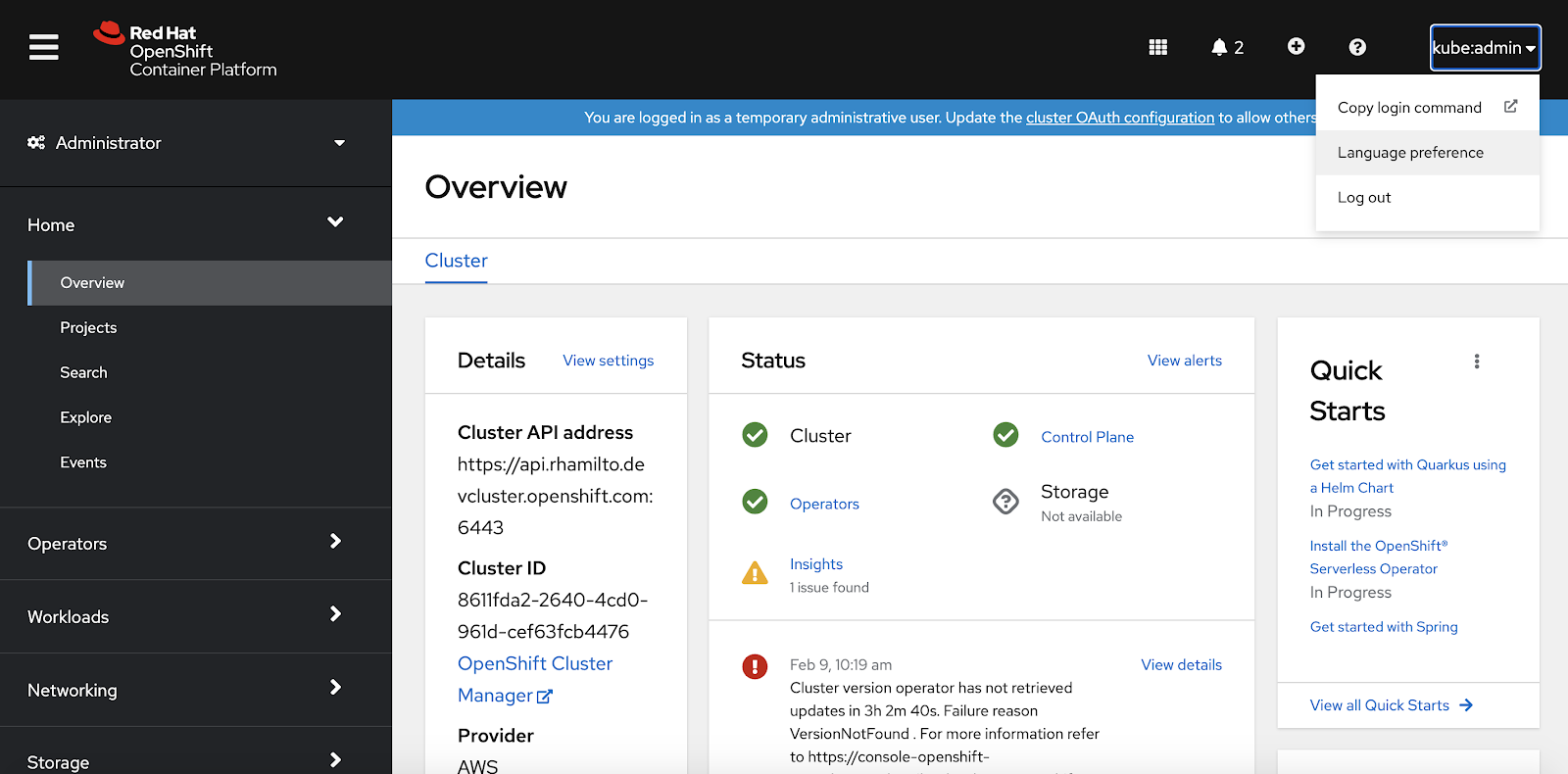
You can also manually update your preferred language. To get started, select the Language preference option in the user dropdown:
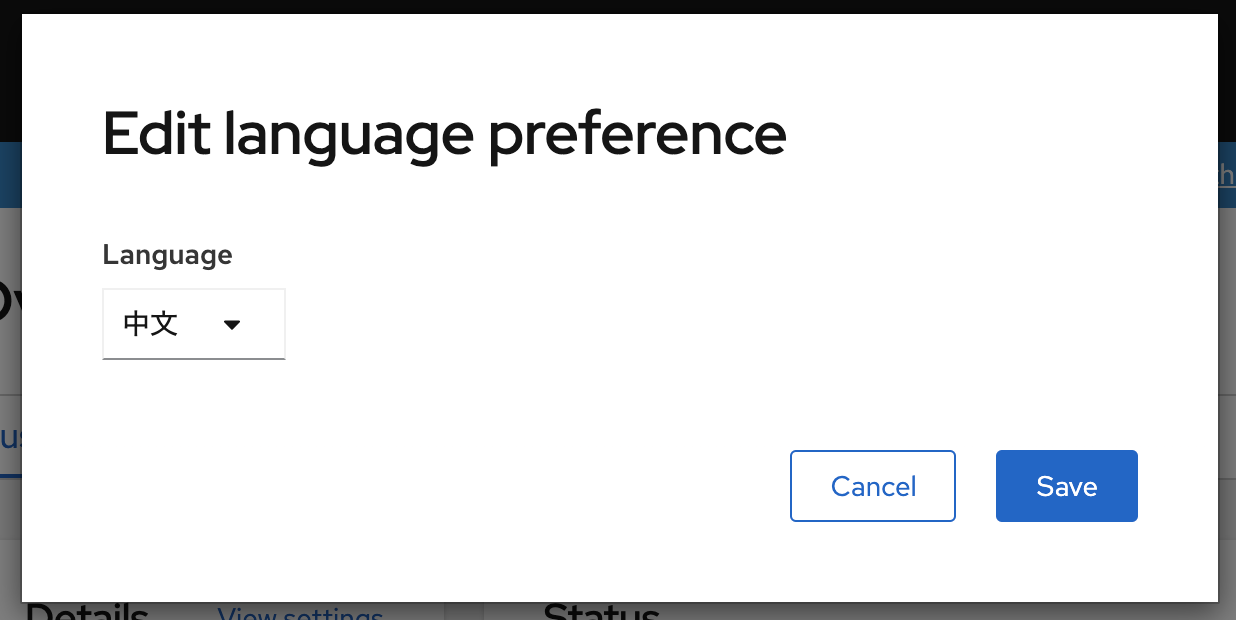
In the modal, you can select the language that you would like to use OpenShift in:
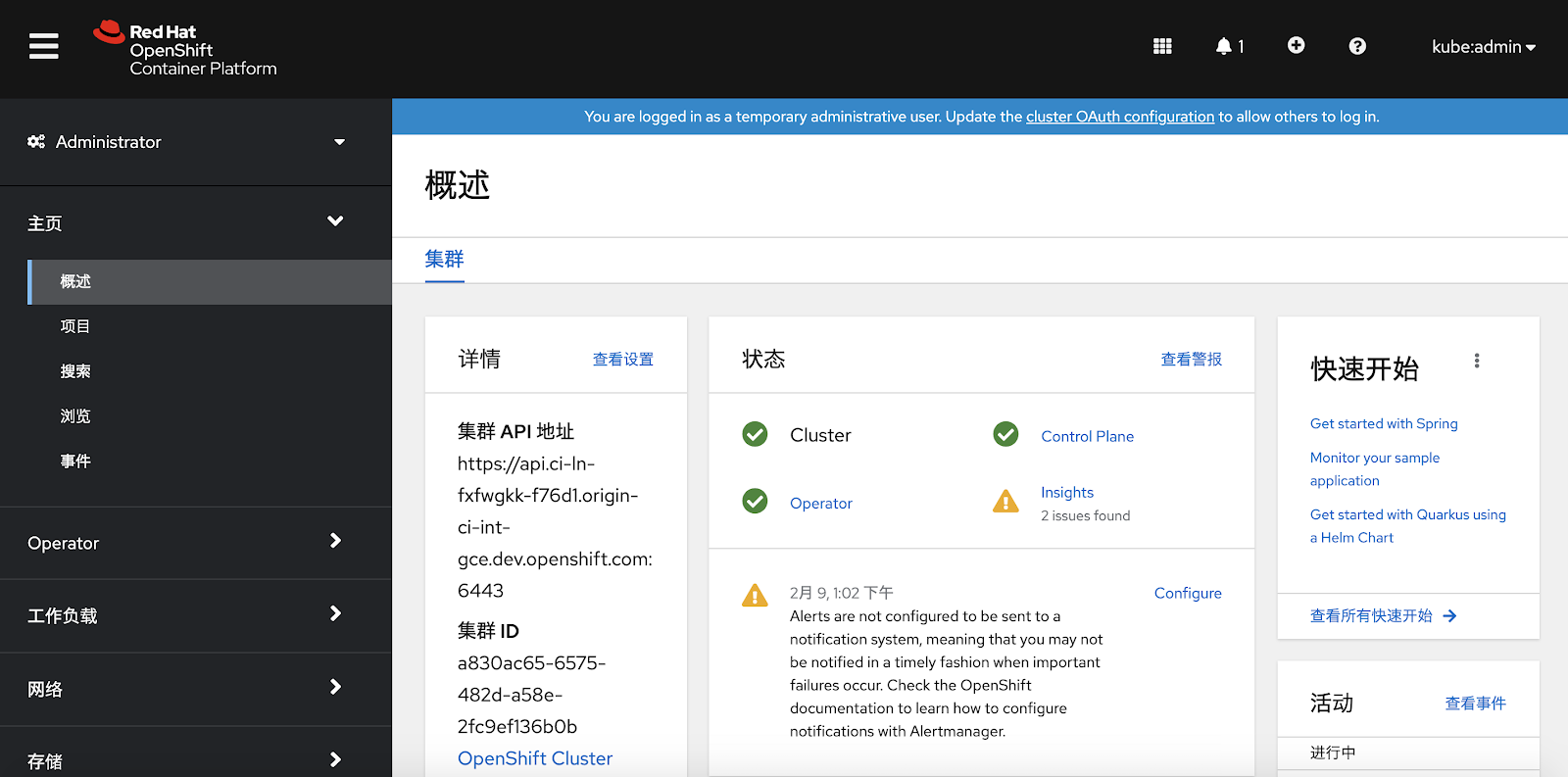
Once your preferred language is saved, OpenShift will update to the selected language.
Accessibility
We care about accessibility, and we have translated many ARIA attributes to support a great experience for assistive technology users. The attributes we’ve targeted are aria-label, aria-placeholder, aria-roledescription, and aria-valuetext. They will update automatically when the language is changed so we can support users in multiple languages. We will continue increasing our translation coverage for aria attributes in 4.8.
Things to Consider
As you explore the newly translated console, there are a few things to keep in mind:
- Localization of all text in OpenShift was not possible at this time. Items such as events surfaced from Kubernetes, alerts, error messages, informational messages from Operators, and logging messages will still be displayed in English.
- Localization is not included in the CLI at this time.
- We will continue to add more translations for Simplified Chinese and Japanese in future releases.
More Languages Are on the Way
We look forward to adding support for Korean, Traditional Chinese, and other languages.
If you are up for trying out this new feature, or if you are just getting started with OpenShift, visit Try OpenShift to get instant access to a cluster.
And, as always, we want to connect with users like you. Learn more about what the OpenShift design team is up to on the OpenShift Design site, and be sure to catch us on the OpenShift Twitch channel.
Über den Autor
Ähnliche Einträge
Das agentische Paradoxon und die hybride KI-Strategie
IT-Stack vereinheitlichen: VMs, Cloud und KI vereint
Crack the Cloud_Open | Command Line Heroes
Edge computing covered and diced | Technically Speaking
Nach Thema durchsuchen

Automatisierung
Das Neueste zum Thema IT-Automatisierung für Technologien, Teams und Umgebungen

Künstliche Intelligenz
Erfahren Sie das Neueste von den Plattformen, die es Kunden ermöglichen, KI-Workloads beliebig auszuführen

Open Hybrid Cloud
Erfahren Sie, wie wir eine flexiblere Zukunft mit Hybrid Clouds schaffen.

Sicherheit
Erfahren Sie, wie wir Risiken in verschiedenen Umgebungen und Technologien reduzieren

Edge Computing
Erfahren Sie das Neueste von den Plattformen, die die Operations am Edge vereinfachen

Infrastruktur
Erfahren Sie das Neueste von der weltweit führenden Linux-Plattform für Unternehmen

Anwendungen
Entdecken Sie unsere Lösungen für komplexe Herausforderungen bei Anwendungen

Virtualisierung
Erfahren Sie das Neueste über die Virtualisierung von Workloads in Cloud- oder On-Premise-Umgebungen
