Automating DevSecOps pipelines
Automation will be a major focus, as 6 in 10 of the organizations interviewed are looking to integrate security into CI/CD pipelines and development workflows. This includes automating policy enforcement and security checks across environments, so that security is not a manual gate at the end but an embedded part of the deployment process. The goal is to catch issues early and consistently (for example, automated code scans, configuration checks, and guardrails in every build/deploy).
By shifting to “security as code” and automated controls, teams aim to reduce human error and accelerate safe software delivery.
Securing the software supply chain
More than half of organizations will invest heavily in software supply chain security. This reflects rising awareness that the code and components flowing into applications (open-source libraries, container images, build artifacts, etc.) must be verified and protected. Supply chain attacks—such as tampering with dependencies or injecting malicious code into upstream components—are a growing threat. Managing integrity from code to runtime is the objective here. Initiatives include using tools for software composition analysis, dependency scanning, artifact signing to verify provenance, and security-focused systems.
Expanding runtime protection
Just over half of respondents also prioritized strengthening runtime security in their production environments. This means deploying solutions like container runtime protection, real-time threat detection, and automated response capabilities in clusters and cloud workloads. Many teams have already invested in detection (finding issues) and are now moving toward more integrated, active defense—for example, continuous monitoring of workloads, anomaly detection, and self-healing or blocking of attacks at runtime.
By embedding a continuous defense within the platform, organizations aim to catch incidents that slip past earlier gates and to limit damage.
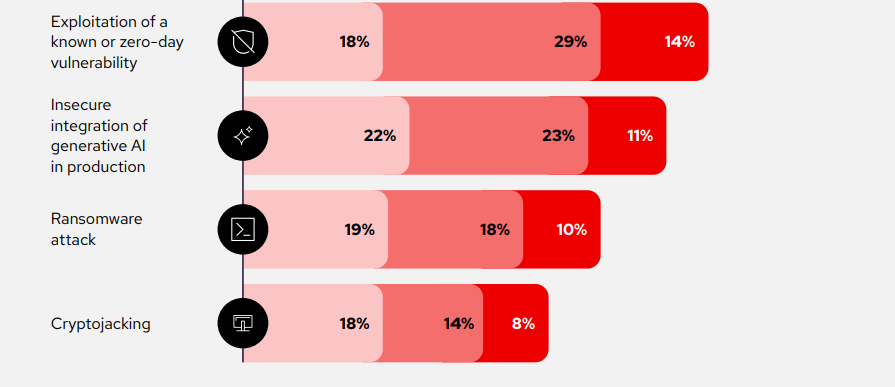
For example, detecting a rogue container behavior or a crypto-mining process and shutting it down immediately.
Automation and guardrails
Underpinning these specific areas is a broader strategy: invest in automation and guardrails that make security continuous and scalable.
Investment choices are mirroring the gaps identified in maturity assessments.
Teams are directing resources toward the very capabilities that distinguish mature security programs. In other words, organizations are learning from the data. Since lack of automation and inconsistent guardrails are holding security back (as shown in Chapter 2), budgets are now shifting to fix those issues. Instead of adding more point security tools, there’s a push to bake security deeply into development and operations.
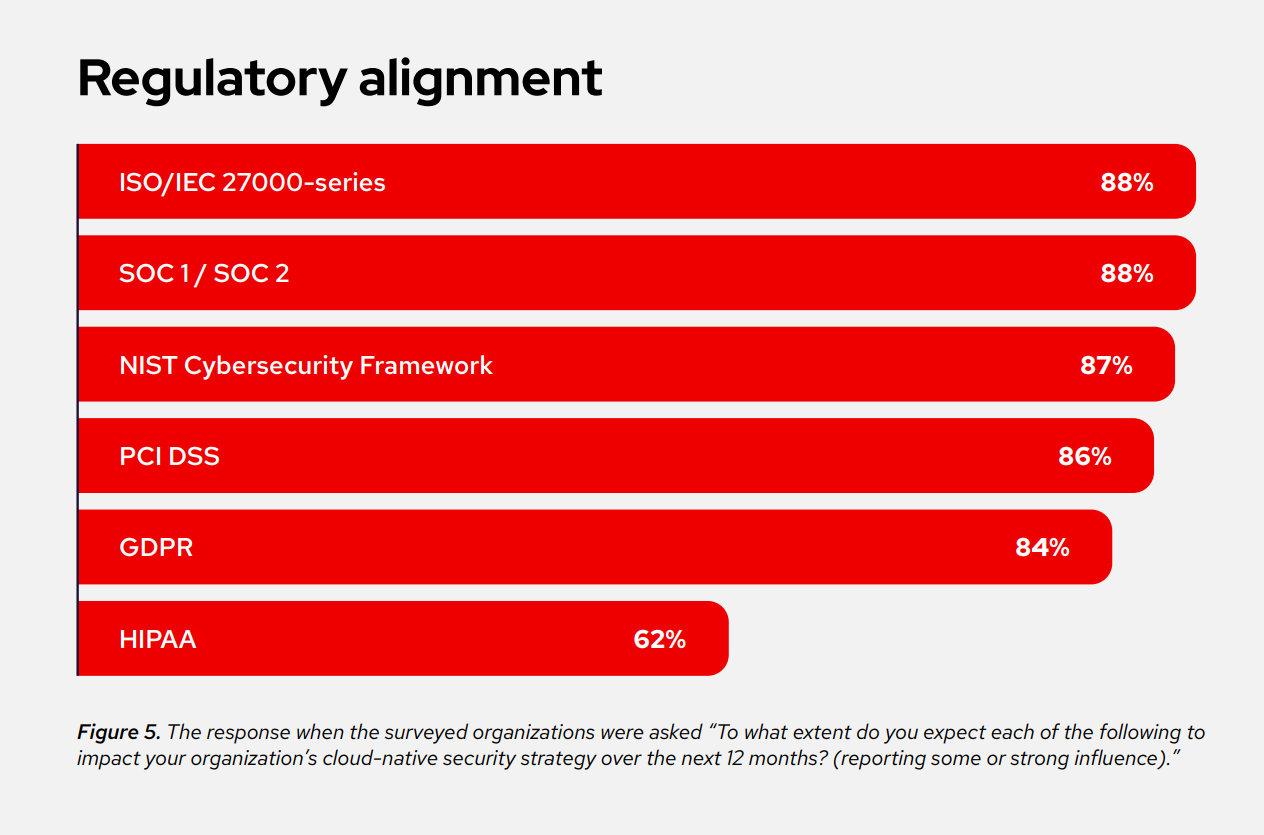
This investment shift is also influenced by the external factors discussed earlier (compliance and fear of breaches). With regulations such as the CRA on the horizon, companies want to be ahead of the curve by automating compliance and securing their supply chains now, rather than scrambling later. As well, high-profile supply chain attacks (e.g. dependency hacks) have been a wakeup call, hence the surge in focus there. Companies can use this opportunity to not just to view compliance as a checklist, but to adopt software bills of materials (SBOMs) to do more than just meet regulatory requirements and also prevent tampering, provide transparency, and streamline incident response.