
高等教育および企業セクターの組織は、仮想化コストの上昇、ライセンス体系の変化、もはや先送りにできないアーキテクチャ上の決定に直面しています。このような状況において、IT リーダーには、現在の重要なワークロードを保護しつつ、将来に向けた最新のハイブリッドクラウド基盤を構築できる、業務への影響を最小限に抑えた移行パスが求められています。
Red Hat Summit 2026 では、Brigham Young University のインフラストラクチャ・エンジニアである Joseph Seegmiller 氏が、Red Hat のソリューションアーキテクトである John Quigley および John Call とともに、まさにこれらの課題について話し合いました。Red Hat OpenShift を使用して仮想マシン (VM) とコンテナを並行して実行することにより、Brigham Young University はインフラストラクチャを統合し、運用を単純化しました。
最終的に、仮想化すべてを Red Hat OpenShift Virtualization に移行することを決定しました。そして、わずか 6 週間で 1,500 台の仮想マシンを移行しました。
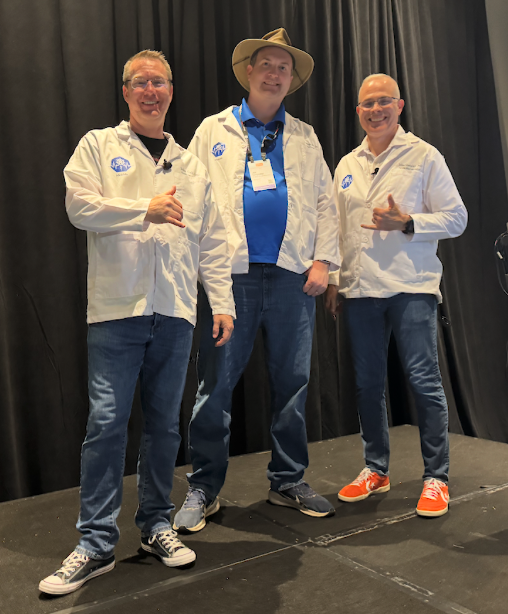
図 1. Brigham Young University のインフラストラクチャ・エンジニアである Joseph Seegmiller 氏が、Red Hat のソリューションアーキテクトである John Quigley および John Call とともに登壇しました。
迅速な移行は重要な節目ですが、新しいプラットフォームへの移行完了後、高可用性を維持し、ステートフルなデータベースワークロードを保護することが、インフラチームにとって最優先事項となります。
共有ストレージ環境におけるデータ破損の潜在的リスク
回復力のあるプラットフォームを構築するには、IT リーダーは、Red Hat OpenShift が従来のハイパーバイザーとは異なる方法で、どのようにノード障害を処理するかを理解する必要があります。デフォルトでは、VM またはコンテナ化されたワークロードを実行しているノードが応答しなくなった場合、影響を受けるワークロードは即座には再スケジュールされません。この遅延は、データの整合性を保護するために設計された意図的な安全機能です。
共有ストレージ環境では、スプリットブレインのシナリオが大きな脅威となります。ノードがクラスタのコントロールプレーンとの通信を失っても電源が入ったままになっている場合、引き続きディスクにデータを書き込む可能性があります。
ノードがネットワーク接続を失ってもファイバーチャネル接続がアクティブなままであれば、仮想マシンは実行を続け、ディスクへの書き込みを継続します。その仮想マシンを新しいノードで自動的に再スケジュールすると、ディスクが二重にマウントされ、重大なデータ破損が発生します。このため、ノードの自動再起動とフェンシングが必要になります。
自動修復を行わなければ、これらの障害を解決するために手作業による対応が必要になります。オペレーターは、古い VM インスタンスを安全に終了して新しいインスタンスを起動する前に、障害が発生したノードが完全にオフラインであることを確認する必要があります。大規模な環境では、この手作業のプロセスによって復旧に大幅な遅延が生じます。
この障害により、運用チームのダッシュボードでは無数のライトが点滅し、まるでクリスマスツリーのようになりました。そして、解決までに 2 時間を要しました。これらのノードの修復戦略を実装していれば、システムは数時間ではなく数分で問題を解決できたはずです。
Medik8s による数分での自動復旧
手作業による修復を排除し、ダウンタイムを数時間から数分に短縮するため、Red Hat OpenShift は Medik8s Operator フレームワークを統合しています。このフレームワークは、VM を含むワークロードに対して、ノードの自動修復と高可用性 (HA) を提供します。
自動復旧プロセスは、次の 3 つの個別のコンポーネントによって動作します。
- Node Health Check Operator:このコンポーネントは、クラスタの煙探知機として機能します。これは、ワーカーノードのステータスを継続的に監視します。ノードが設定された期間 (通常は 60 秒) にわたって NotReady または Unknown 状態を報告した場合、Operator はアラームを発行し、修復テンプレートをトリガーします。
- Fence Agents Remediation (FAR):これは、最も高速な電源ベースのフェンシング手法です。一般的な Redfish API を使用して、Dell iDRAC や HPE iLO などの物理ハードウェアの Baseboard Management Controller (BMC) インターフェースと直接連携します。エージェントは BMC に対し、ハードウェアの再起動を命令します。BMC が電源の再投入を確認すると、クラスタは応答しなくなった VM およびコンテナのワークロードを安全に削除し、正常なノード上で再スケジューリングを行い、このプロセスを約 155 秒で完了させます。
- Self Node Remediation (SNR):信頼性の高いソフトウェアベースのフォールバックとして機能するこのエージェントは、カーネルレベルのウォッチドッグを使用します。エージェントは 30 秒ごとにウォッチドッグタイマーと対話する必要があります。エージェントが、ノードがピアノードや API サーバーから隔離されていることを検出すると、ウォッチドッグタイマーのリセット (システム管理者の用語で言えば「ウォッチドッグをなでる」こと) を停止します。その後、ウォッチドッグがタイムアウトし、ローカルのオペレーティングシステムを強制的に再起動して、ストレージロックを安全に解放します。
これらの戦略を導入することで、インフラストラクチャチームは VM をデータ破損から保護し、人の手を介さずに自動的に復旧できます。
実際のリソース負荷に基づく稼働中ワークロードの再バランス調整
高可用性 (HA) の実現には、単にノード障害から復旧する以上の対策が必要です。また、ノードのリソース枯渇を防ぐために、予防的にワークロードを分散することも必要です。
デフォルトの Kubernetes スケジューラーは、VM の初期起動時にのみリソース配置の決定を評価します。時間の経過に伴い、ユーザーのログインや高負荷タスクの実行によって、一部の VM が最初に要求された量を超えるリソースを消費し、特定のノードでリソース枯渇を引き起こすことがあります。
この不均衡を解消するために、Descheduler Operator が定期的にクラスタを評価します。Descheduler は、静的な事前割り当て済みのリソース要求のみに依存するのではなく、カーネルの Pressure Stall Information (PSI) インターフェースによって提供されるリアルタイムのリソース消費データを活用できます。
PSI メトリクスは、VM またはコンテナが CPU、メモリー、またはディスク (I/O) リソースを待機している時間を追跡します。Descheduler がリソース負荷の高いノードを検出すると、対象の VM を特定し、ライブマイグレーションを開始して、それらを使用率の低いノードへ移動します。この予防的な再バランス調整により、システム全体で一貫したアプリケーションのパフォーマンスが維持されます。
インフラストラクチャ戦略のモダナイズ
統合されたハイブリッドクラウド・アプリケーション・プラットフォームへ移行することで、組織は運用コストを抑制し、インフラストラクチャのサイロ化を解消して、先進的なアプリケーション開発に向けた安全な環境を構築できます。Red Hat OpenShift Virtualization と自動修復、および予防的なワークロードの再バランス機能を組み合わせることで、IT リーダーは最も不可欠なワークロードに対して予測可能な高可用性を提供できます。
仮想化モダナイゼーションへの取り組みにおける次のステップ:
自動化された移行準備状況レポートを生成するこのページは、英語でご利用いただけます (日本語 ではご利用いただけません) : 無償の OpenShift migration advisor を使用して、VMware ワークロードの移行準備状況を即座に評価できます。- アーキテクチャガイドのダウンロード:Red Hat OpenShift Virtualization への移行に関する詳細な手順、アーキテクチャのブループリント、およびベストプラクティスをご確認いただけます。
- インタラクティブデモを見る:Red Hat OpenShift Virtualization の実際の動作を確認し、単一の統合コンソールから VM とコンテナを管理する方法を学びましょう。
リソース
Red Hat OpenShift Virtualization を導入すべき 15 の理由
執筆者紹介
Debbie Margulies is a principal product marketing manager for Red Hat OpenShift and has been at Red Hat since 2019 through the acquisition of StackRox.
チャンネル別に見る

自動化
テクノロジー、チームおよび環境に関する IT 自動化の最新情報

AI (人工知能)
お客様が AI ワークロードをどこでも自由に実行することを可能にするプラットフォームについてのアップデート

オープン・ハイブリッドクラウド
ハイブリッドクラウドで柔軟に未来を築く方法をご確認ください。

セキュリティ
環境やテクノロジー全体に及ぶリスクを軽減する方法に関する最新情報

エッジコンピューティング
エッジでの運用を単純化するプラットフォームのアップデート

インフラストラクチャ
世界有数のエンタープライズ向け Linux プラットフォームの最新情報

アプリケーション
アプリケーションの最も困難な課題に対する Red Hat ソリューションの詳細

仮想化
オンプレミスまたは複数クラウドでのワークロードに対応するエンタープライズ仮想化の将来についてご覧ください
